Marc Pos
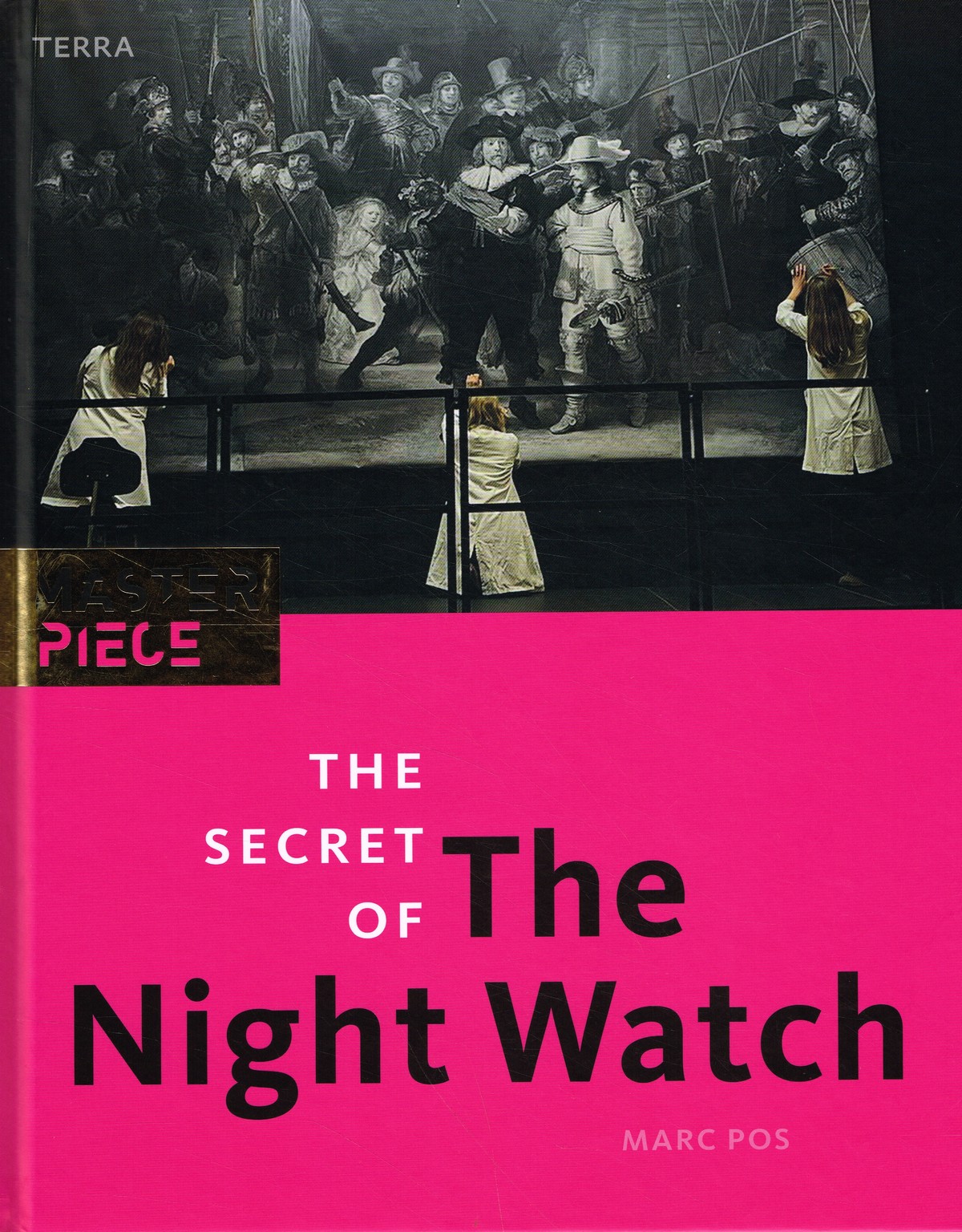
The Secret of the Night Watch
Master Piece
Oorspronkelijke prijs was: € 34,99.€ 12,50Huidige prijs is: € 12,50.
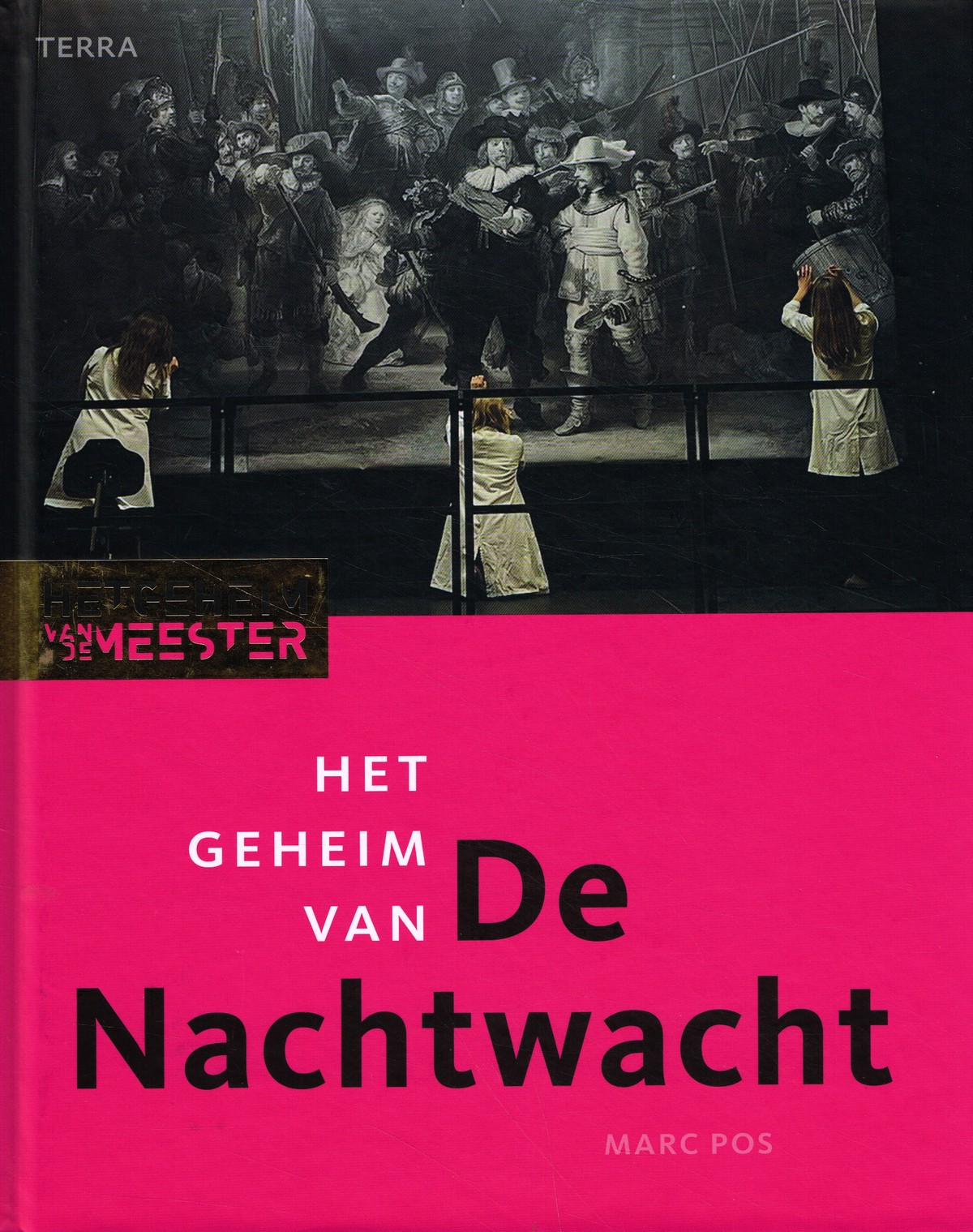
‘The secret of The Night Watch’ highlights the high profile restoration of Rembrandt van Rijn’s masterpiece, one of the world’s most famous paintings. This lavishly illustrated book records the high profile restoration of Rembrandt van Rijn’s 17th century masterpiece. Many questions about the creation of this work have been answered by extensive technical studies done in conjunction with the restoration. The popular Dutch TV program The Secret of the Master has documented the restoration of The Night Watch in four episodes, assisted in this by various external specialists. ‘The secret of The Night Watch’, by the producer of that series, reveals the many secrets of this fascinating and important work.
Gerelateerde producten
kunst
Ton & Mies Becker
Twentieth Century Modernisms in Balinese Wood Carvings
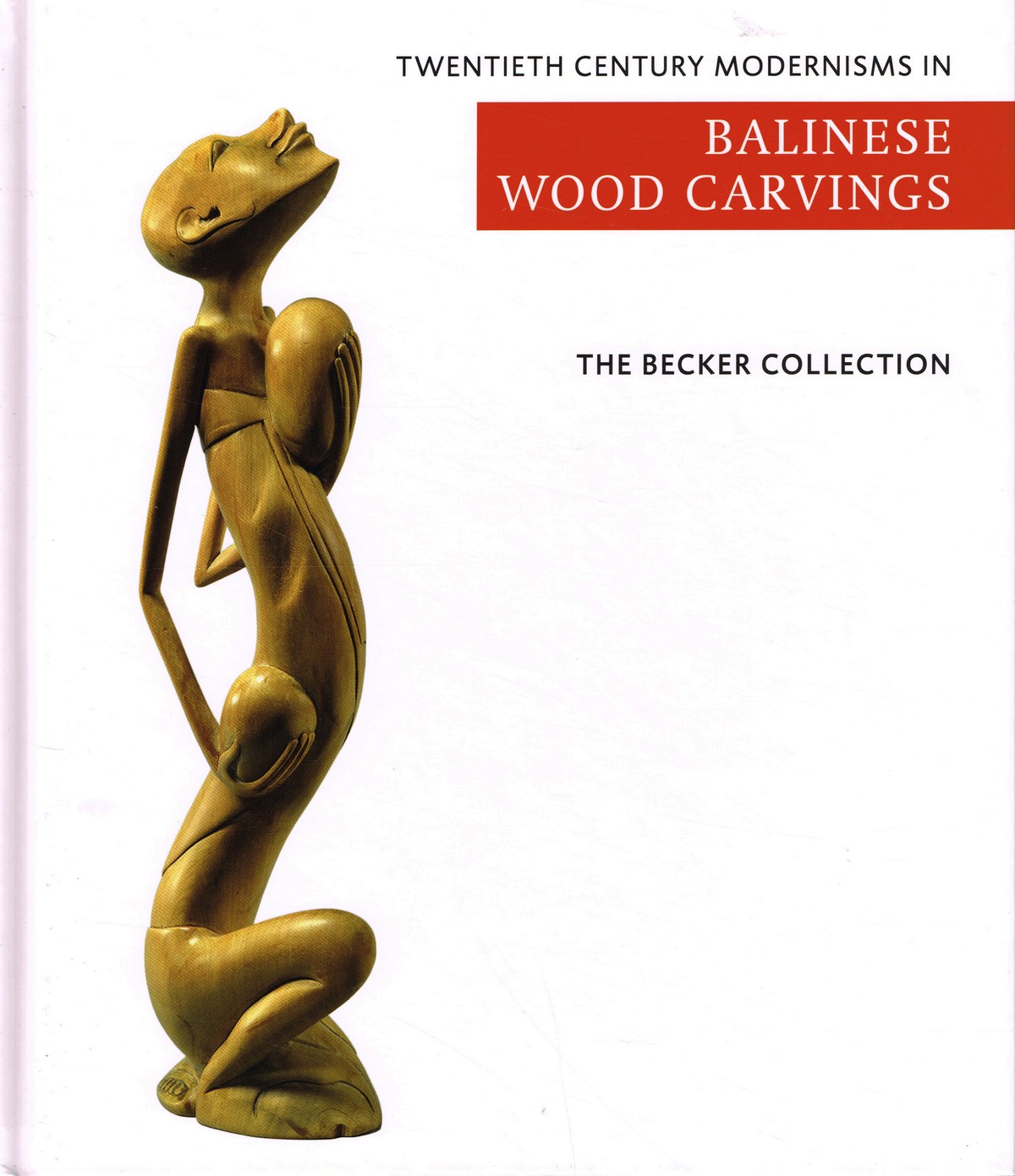
'The Becker Collection - Twentieth century modernisms in Balinese wood carving' contains the private collection of twentieth century ?modern style? Balinese wood carvings, collected by Ton and Mies Becker, both retired medical specialists and collectors of Asian art. Between the 8th and 10th century Hindu influences spread to Bali and blended into the exiting Balinese mix of animistic and Buddhist styles and subjects, known as Bali Aga. Hence, in due time the craftsmen obtained the subjects for their works from the Hindu-Balinese religion and their heroes and demons from famous Hindu epics. This particular style became known in the Western art world as the ?Traditional or Old Balinese style?. In the 20th century the arts and crafts scene in Bali changed completely. First because of Western artist who visited Bali and stayed on to work there and, second, because of the gradual influx of increasing numbers of foreign tourists. In addition the Dutch colonial government started a military campaign to control the powerful kingdoms of central and southern Bali. As a result the local craftsmen lost their royal support and soon realized that foreign tourists were not particularly interested in gods and heroes. Hence, stimulated by some of the Western artists who had settled in Bali, they turned to secular subjects taken from nature and everyday life and became more impressionistic in the execution. This led to a range of new styles, often impressionistic and sometimes even minimalistic and caricatural with bizarre elongated shapes or solid compact forms. In this book we are concerned with this particular type of 20th century ?Modern Style? Balinese wood carving. The catalogue contains 40 objects of ?modern style? wood carving, representing different styles. Each object is photographed, both as an overview and in details if so requested. A brief description of each object is provided, together with the estimated date, and additional information is provided if considered useful. The catalogue is preceded by an essay on the history of Balinese wood carving.kunst
Ronald Rietveld
Vacancy Studies
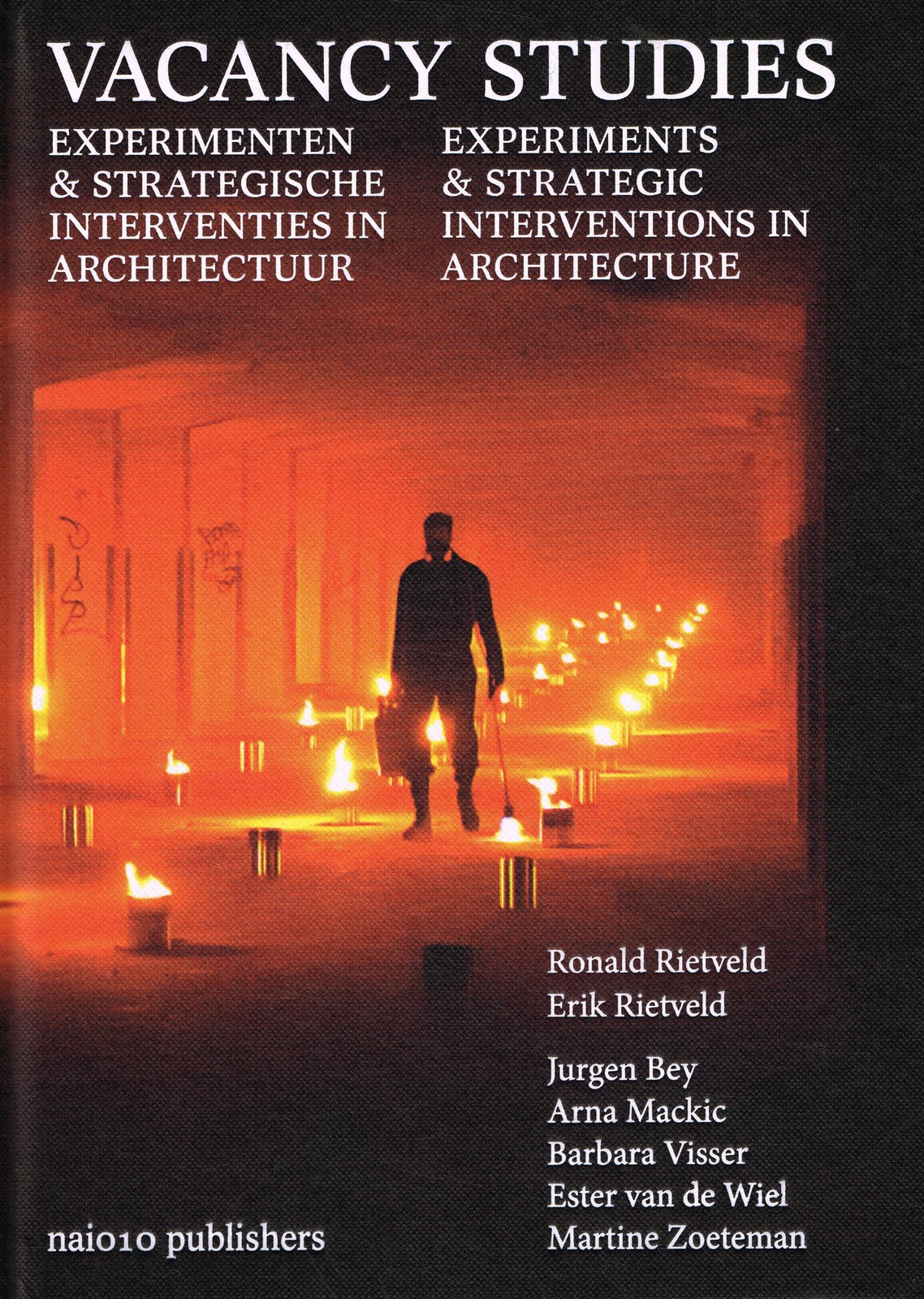
For English see below- Veel bunkers, forten, kerken, kastelen, ziekenhuizen, watertorens, postkantoren, gevangenissen, paleizen en vliegvelden staan leeg. 'Vacancy Studies' biedt de architectuurwereld een optimistisch perspectief op tijdelijk hergebruik van leegstand. Volgens RAAAF [Rietveld Architecture-Art-Affordances] schuilt er een grote potentie in leegstaande publieke en overheidsgebouwen. De gigantische omvang ervan hebben zij gevisualiseerd met de installatie Vacant NL op de Architectuurbiënnale van Venetië in 2010. De wereldwijde media-aandacht in onder meer The New York Times, The Guardian en The Architectural Review, toont de internationale relevantie van hun visie voor het nieuwe vakgebied 'Vacancy Studies'. Ontwerpers kunnen een belangrijke bijdrage leveren aan maatschappelijke issues zoals leegstand. Dit vraagt om nieuwe manieren van werken. In de praktijk van RAAAF en door een multidisciplinair team aan het Sandberg Instituut is 'Vacancy Studies' verder ontwikkeld. 'Vacancy Studies' introduceert de ontwerpbenadering van 'strategische interventies' en toont nieuwe denkbeelden en experimenten. 'Vacancy Studies' is een onmisbare referentie voor iedereen die geïnteresseerd is in de mogelijkheden van leegstand.- Many bunkers, forts, churches, castles, hospitals, water towers, post offices, prisons, palaces and airports are empty. 'Vacancy Studies' offers the architectural world an optimistic perspective on the temporary reuse of vacant buildings. According to RAAAF [Rietveld Architecture-Art-Affordances], there is great potential in vacant public and government buildings. They have visualised its gigantic size with the installation Vacant NL at the Venice Architecture Biennale in 2010. The worldwide media coverage in The New York Times, The Guardian and The Architectural Review, among others, shows the international relevance of their vision for the new field of 'Vacancy Studies'. Designers can make an important contribution to social issues such as vacancy. This requires new ways of working. In the practice of RAAAF and by a multidisciplinary team at the Sandberg Institute, 'Vacancy Studies' has been further developed. 'Vacancy Studies' introduces the design approach to 'strategic interventions' and shows new ideas and experiments. 'Vacancy Studies' is an indispensable reference for anyone interested in the possibilities of vacancy.kunst
Power & Other Things
The project takes its name from the demand for the transfer of power and other things to the newly independent Indonesia in 1945. It travels through time, from European colonial occupation through the development of the republican state to the trans-national contemporary cultures of today. It looks at the various international exchanges that happened in the territories of contemporary Indonesia, through the images and ideas of artists. These exchanges were of different kinds: trade, culture, religion, ideology and war. They produced a variety of results: violence, oppression, racism, creativity, spiritual awakening, and other things. The ideologies and challenges of modernity are common ways in which Indonesia has been depicted by others and has defined itself over the period. As this modern period recedes into history, the project will seek ways to remember how it has influenced contemporary understanding and ask the current generation of artists to look back in order to rewrite the past and potentially create the conditions for a different future. The catalogue and the exhibition will follow a broad chronological narrative, allowing readers and visitors to learn more about how this huge archipelago has changed over the past two centuries and to observe how it has responded and adapted to influences originating from both inside and outside the islands. The influence of the imperial Dutch and Japanese occupations naturally form a significant element in the narrative of the exhibition as does the constant struggle for different forms of independence or equal treatment by the Javanese and other Indonesian cultures. The importance of Chinese and Arab influence on Indonesia's cultural history will also feature as the exhibition tries to look for alternative ways, alongside the post-colonial, for understanding the present. The presentations will include work made during the residencies as well as new commissions.kunst