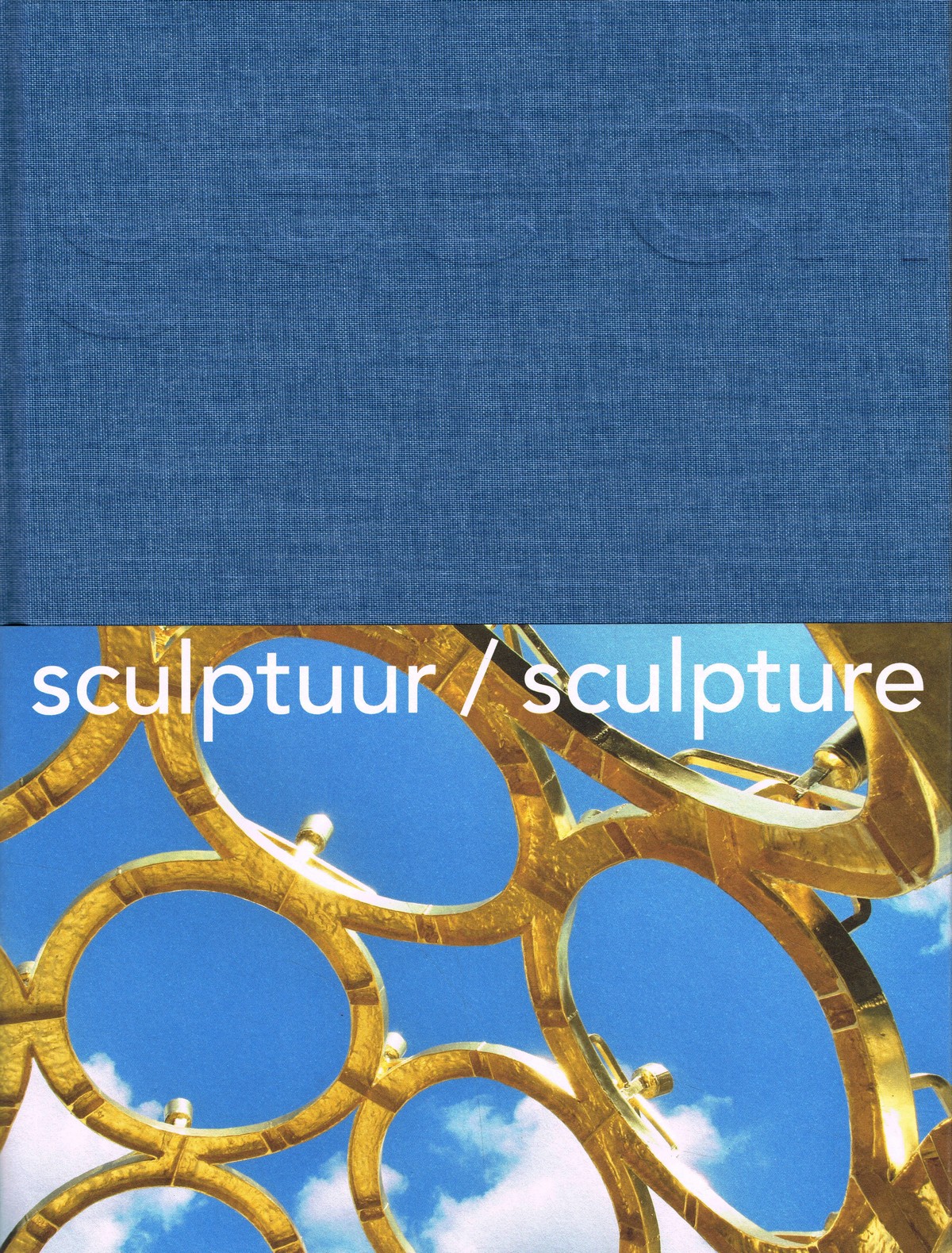
Guido Geelen (Thorn, 1961) adopts a unique stance as sculptor. His unorthodox outlook on the use of materials such as clay (ceramics), bronze, iron, aluminium, glass and textiles is linked with an iconography of recognizable contemporary and classical images. In 2000 a book containing a complete view of Guido Geelen’s work, spanning the period 1986 – 2000, was published when he received the Dr. A.H. Heineken Prize for Art. This second survey, spanning the period 2000 – 2022, gives consideration to this autonomous work and his commisioned work, to museum presentations and to his work in the public domain.
Gerelateerde producten
kunst
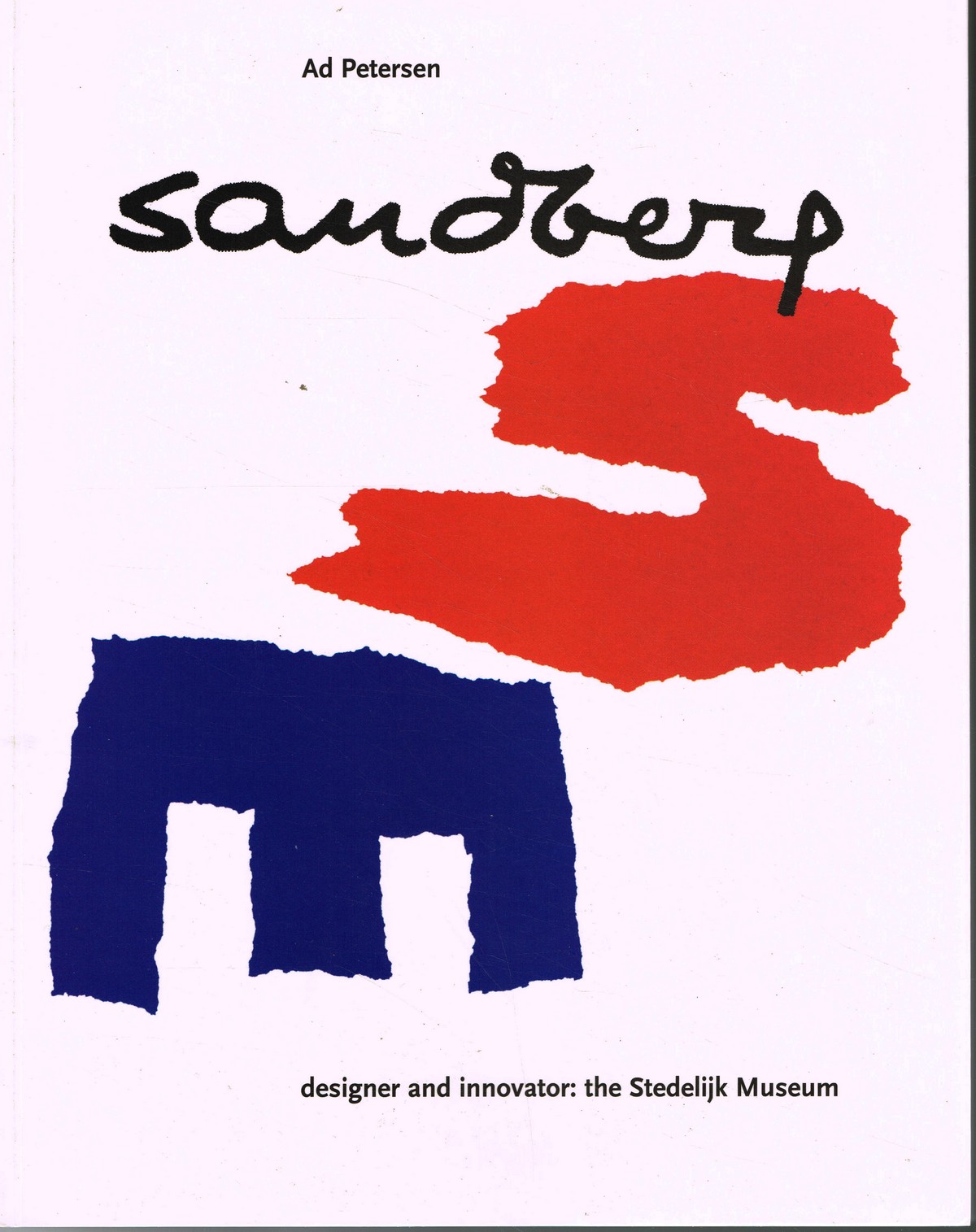
Ad Petersen
Sandberg
Willem Sandberg was a gifted designer and a pragmatic museum director, a doer who achieved an incredible amount in the art world after 1945 and opened many people's eyes to contemporary art. He was an idealist who cherished the utopian belief that contemporary art could play a self-evident and meaningful role in society outside of its usual marginal and elitist position. At the same time, he was enough of a realist not to harbour excessively high expectations of the result of his efforts. His belief in the power of art, however, was unwavering. In his work as a director and designer, it was Sandberg's mission to be powerful, positive, and future-oriented. His typography, to which the lion's share of this book is devoted, is tangible evidence of this vocation. This is how author Ad Petersen began his foreword to the French edition of this book. He knew Sandberg well. In the final years of Sandberg's directorate, Petersen became one of his closest collaborators. Thereafter, from 1963 until Sandberg's death in 1984, they kept in touch on a more personal basis. His familiarity with the subject culminated in the book Sandberg, een documentaire / a documentary, which he published in 1975 together with Pieter Brattinga and in collaboration with Sandberg. The original book owes its existence to the initiative of the then 50-year-old Institut Néerlandais in collaboration with publisher Xavier Barral. And, of course, to Ad Petersen and his expert storytelling, based on countless conversations, on joint travels, on their collaboration at the Stedelijk, on mutual sympathy, and on his observations of the exceptional personality that Sandberg was. This book was published by Samsara Books in collaboration with the Ambassade Group in Amsterdam. Many thanks are due to designer Adri Colpaart, who also played an indispensable role in the creation of the book.kunst
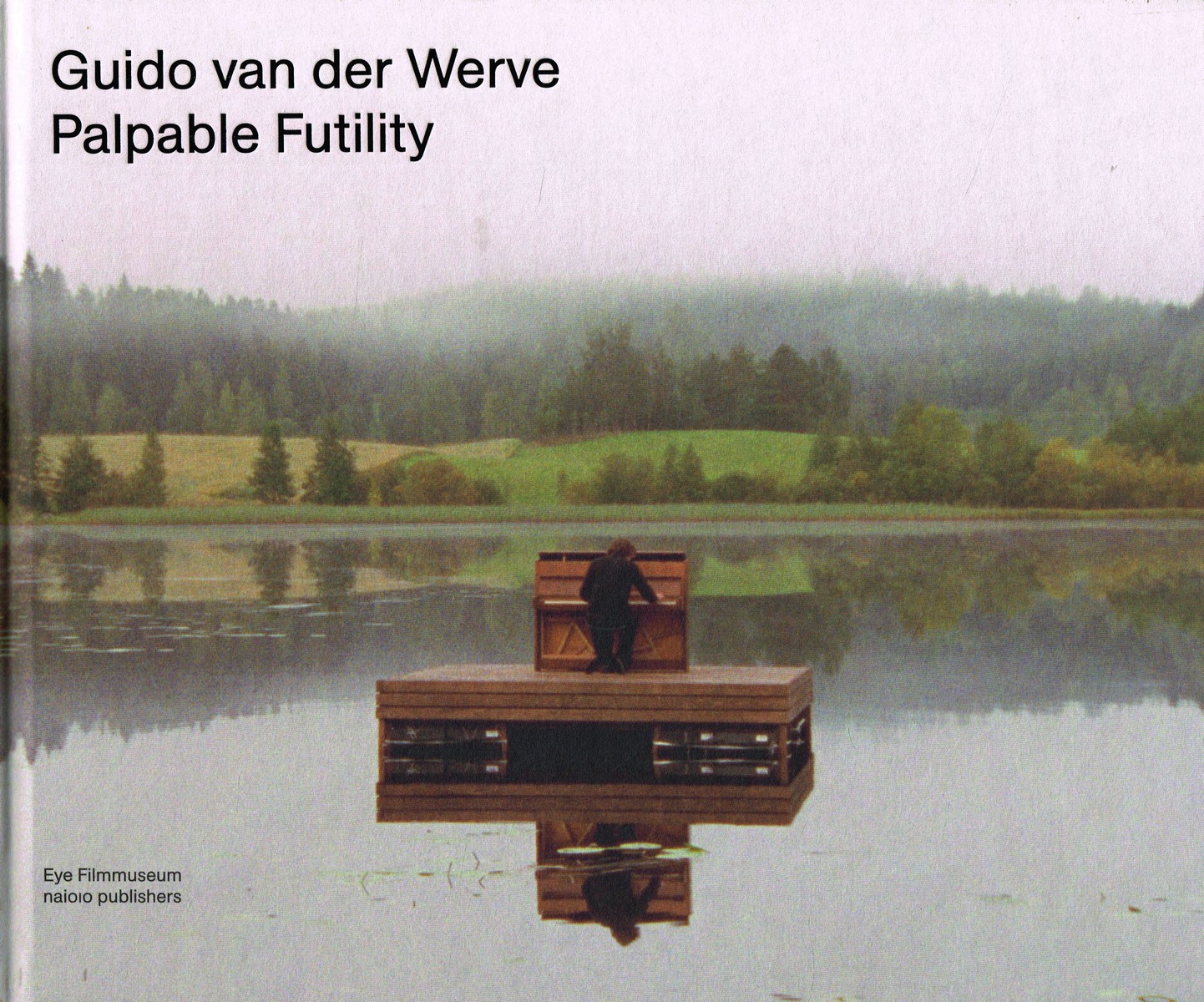
Guido van der Werve
In Palpable Futility wordt het gehele oeuvre van Guido van der Werve beschreven en afgebeeld en benaderen diverse auteurs het werk vanuit verschillende perspectieven. For English see below. Guido van der Werve heeft een bijzonder oeuvre opgebouwd rond tijdloze en universele thema's als de condition humaine. In het universum van Guido van der Werve zijn romantiek, de natuur en het sublieme nooit ver weg. Hij neemt de schoonheid en tegelijkertijd de nutteloosheid van het menselijk bestaan vaak met droge humor op de hak. In Palpable Futility wordt het gehele oeuvre beschreven en afgebeeld en benaderen diverse auteurs het werk vanuit verschillende perspectieven. Het werk wordt in een internationale kunsthistorische context geplaatst en naast een interview en een literaire bijdrage bevat het boek stukken over schaken en over de rol van muziek. Guido van der Werve is een van de meest vooraanstaande Nederlandse kunstenaars, zijn filmwerken zijn opgenomen in (inter)nationale collecties als Museum of Modern Art, Sammlung Goetz, Stedelijk Museum Amsterdam en Museum Boijmans Van Beuningen. >English< Guido van der Werve built up an extraordinary oeuvre around timeless and universal themes such as the human condition. In Van der Werve's universe, romance, nature and the sublime are never far away; his dry humour often targets the beauty-cum-futility of human existence. Palpable Futility describes and depicts Van der Werve's entire oeuvre. Different authors approach his work from different perspectives and place it in an international art-historical context. The book includes an interview and a literary contribution as well as articles about chess and the role of music. Guido van der Werve is one of the Netherlands' most prominent artists. His film works are included in (inter)national collections such as those of the Museum of Modern Art , Sammlung Goetz, Stedelijk Museum Amsterdam and Museum Boijmans Van Beuningen.kunst
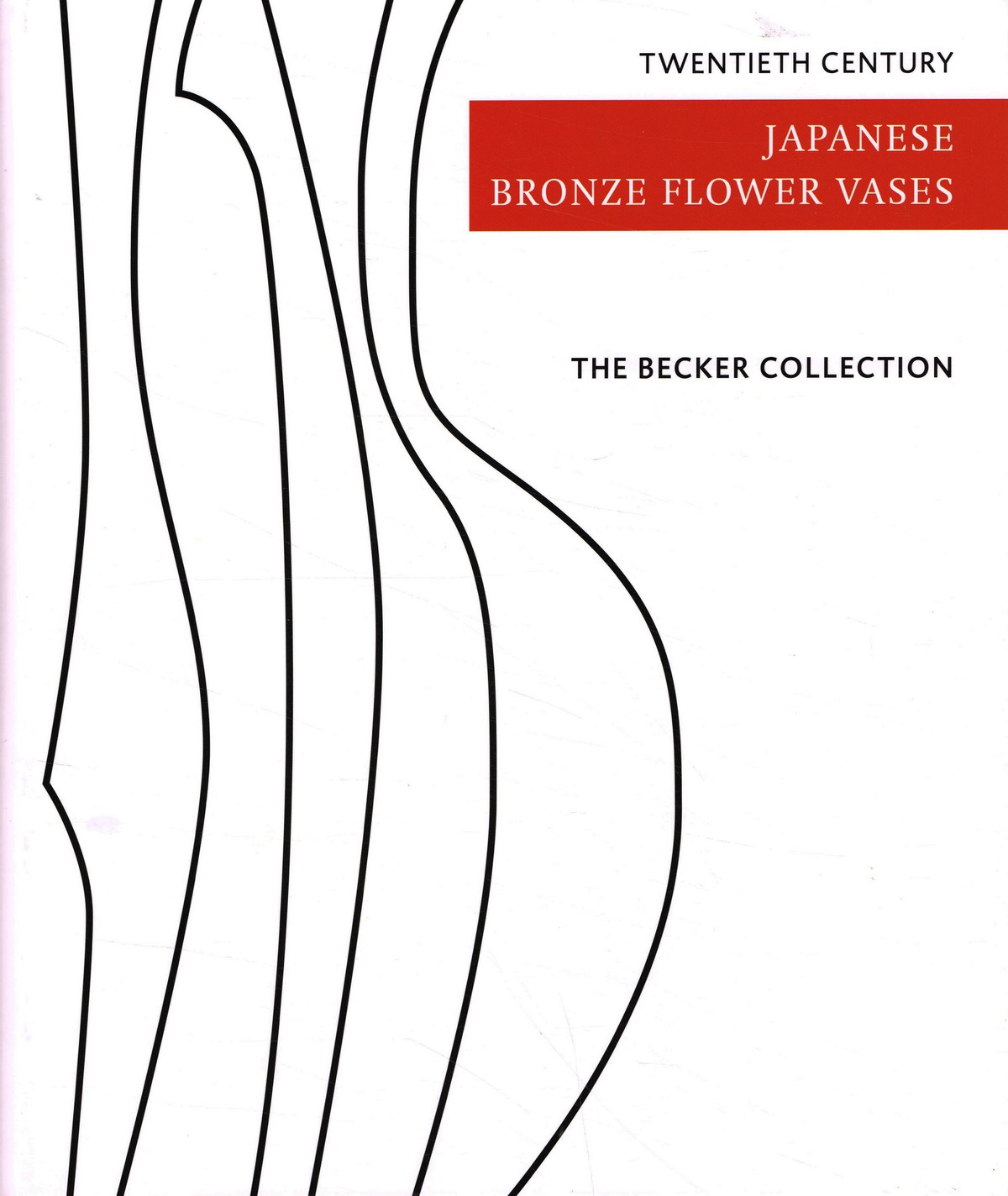
Ton & Mies Becker
Twentieth Century Japanese Bronze Flower Vases
'The Becker Collection - Twentieth century Japanese bronze flower vases' contains the private collection of twentieth century bronze flower vases compiled by Ton and Mies Becker, both retired medical specialists van collectors of Asian art. With the introduction of Buddhism in Japan in the sixth century, bronze containers for flowers to be placed on the altar became important religious objects. In the fifteenth century the Buddhist monk Senno Ikenobô founded the art of flower arranging, which started what nowadays is known as ikebana, the traditional Japanes way of floral art. Presently only the Ikenobô ikebana school still uses bronze flower vases, while all other ikebana schools use other materials like ceramics and bamboo. Following the Meije restauration (1868-1912) the Japanese art world was confronted with Western art styles, in particular the Art Deco movement. The twentieth century flower vases in this collection show a variety in shape and style, in part based on traditional Buddhist temple style vases and in part on the streamlined and geometrical style of the Art Deco movement, albeit often with a distinct 'Japanese touch'. A few introductory essays provide some background information about 'bronzes in Japanese culture', 'the patination of flower bronzes' and 'the tomobako (storage box)'. The catalogue of the vases is arranged according to the bronze worker and presented in alphabetical order in the traditional Japanese way, i.e. the family name first, followed by the given name. All vases are shown together with their tomobako -if available- and with their signature or seal. Brief biographical data are included once available.kunst