Terug/Home/Webwinkel ramsj.nl /Kunst/Fotografie/Planktonium
Jan van IJken
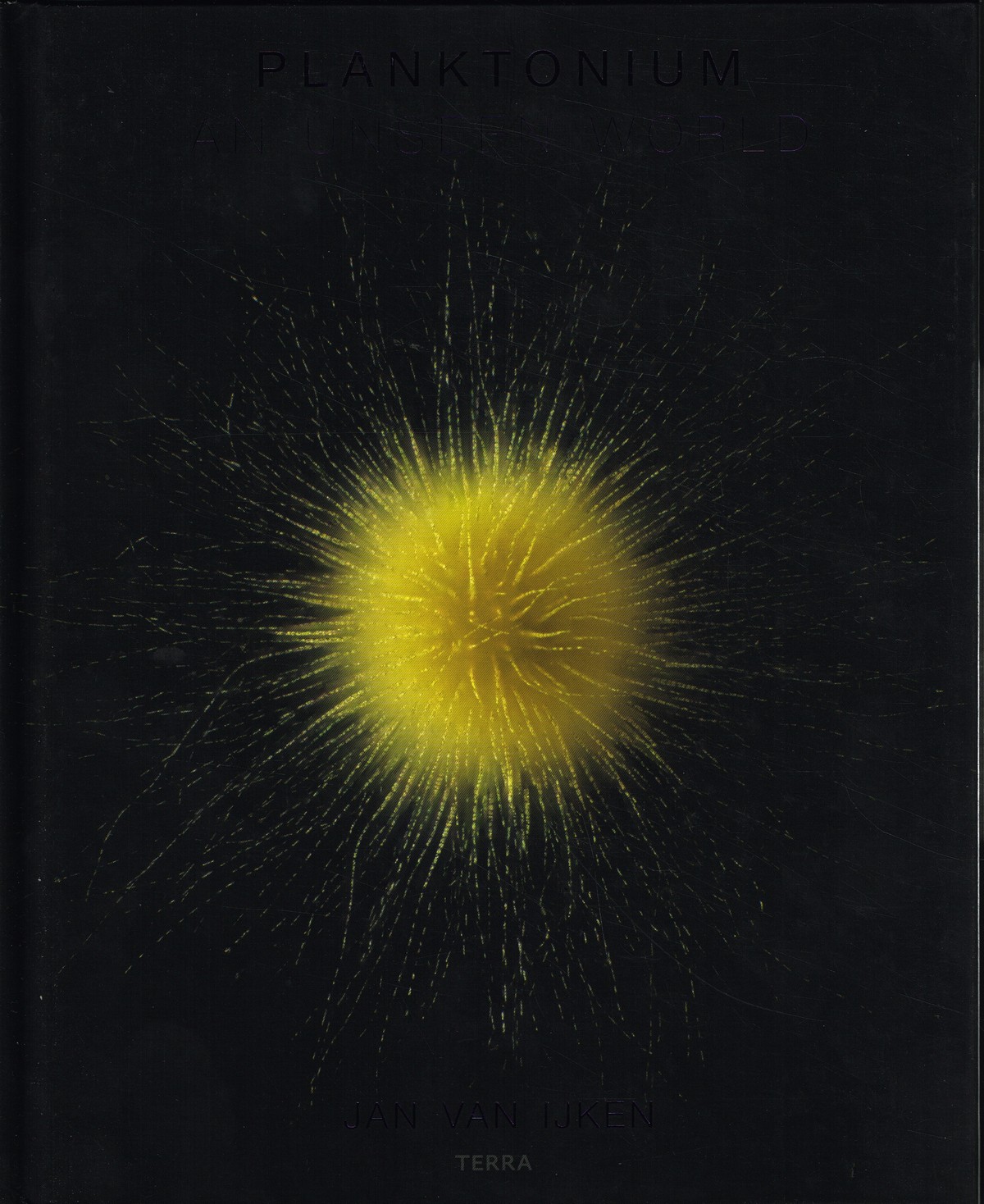
Planktonium
An Unseen World
Oorspronkelijke prijs was: € 59,50.€ 25,00Huidige prijs is: € 25,00.
‘Planktonium’ is a photo and short-film project by Dutch artist Jan van IJken about the unseen world of living microscopic plankton. These extraordinary, very diverse and numerous organisms are unknown to most of us because they are invisible to the naked eye. However, they are wandering beneath the surface of all waters around us, and are essential for our very existence.
Gerelateerde producten
kunst
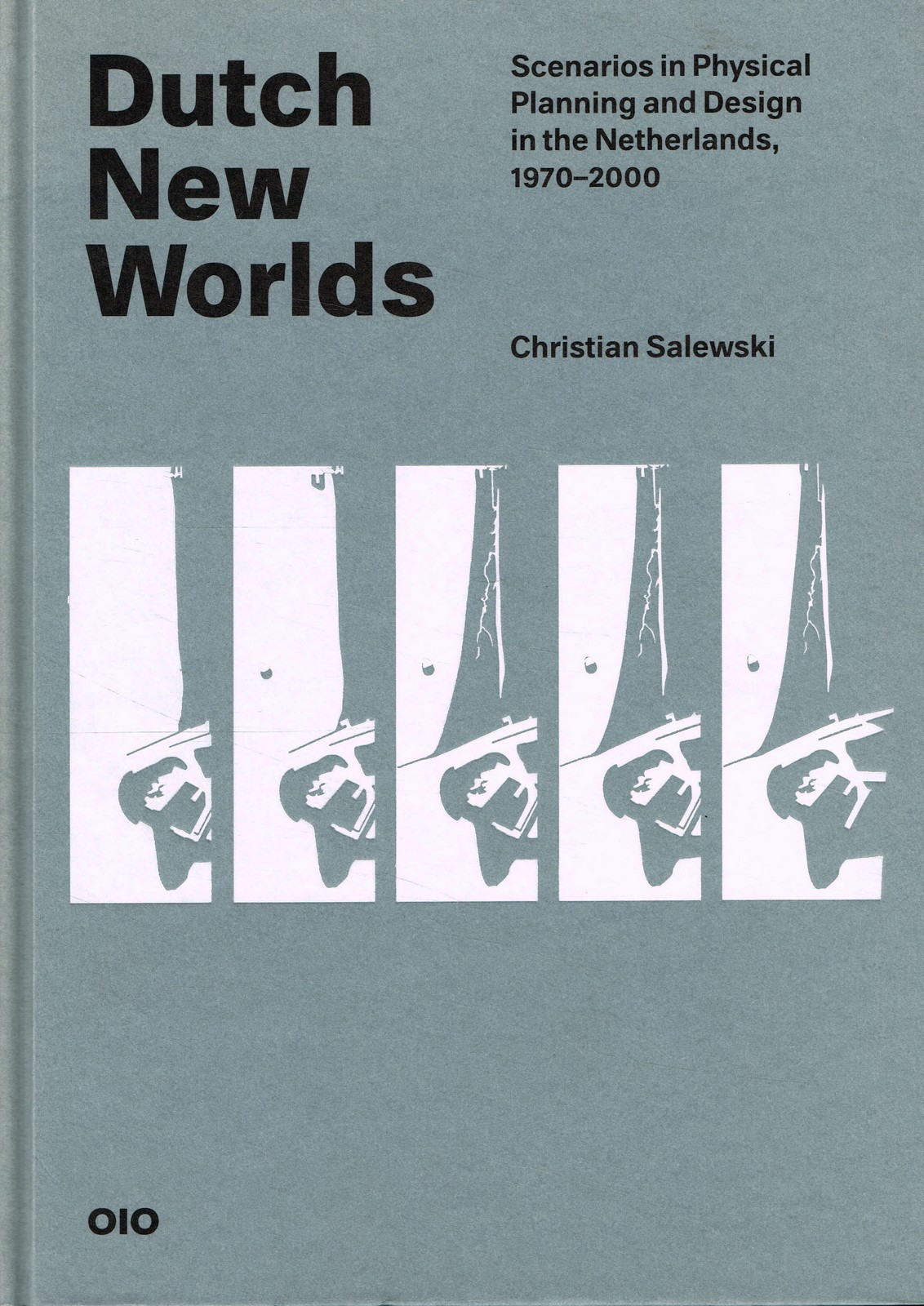
Christian Salewski
Dutch New Worlds
For English see below- Onze beslissingen geven vorm aan onze toekomst, maar we weten weinig over hoe. Om daar achter te komen, construeren planners en ontwerpers levendige beelden van wat zou kunnen zijn. Deze scenario's dienen als baanbrekers tussen verbeelding en rede. Eind jaren tachtig nam de elite van de Nederlandse planning en ontwerp scenario's op ongekende schaal om het publiek te overtuigen van hun ideeën. Maar de zoektocht om Nederland als geheel opnieuw vorm te geven mislukte jammerlijk. Hun poging ontketende echter een golf van nieuw denken over de toekomst en creëerde een enorm aantal spectaculaire beelden van de dingen die komen gaan. 'Dutch New Worlds' vertelt voor het eerst het verhaal van hoe scenariodenken stedenbouw en ruimtelijke ordening veranderde, vanaf het begin eind jaren zestig tot het hoogtepunt in de jaren negentig. Het laat zien hoe de meeste grootse scenarioprojecten op niets uitliepen door overambitie en misbruik. Het laat ook zien hoe scenario's vandaag de dag krachtige instrumenten blijven voor gericht en transparant ontwerpend onderzoek om betere steden en regio's te creëren. Verteld vanuit het perspectief van een architect en stedenbouwkundige, bevat deze ideeëngeschiedenis fundamentele lessen voor planners, ontwerpers en beleidsmakers - en voor onze volgende beslissingen die onze toekomst zullen vormgeven.-Our decisions shape our future, but we know little about how. To find out, planners and designers construct vivid images of what could be. These scenarios serve as path-breakers between imagination and reason. In the late 1980s, the elite of Dutch planning and design took scenarios to unprecedented scales to convince the public of their ideas. But the quest to reshape the Netherlands as a whole failed dismally. Their attempt, however, unleashed a wave of new thinking about the future and created an enormous number of spectacular images of things to come. Dutch New Worlds tells for the first time the story of how scenario thinking changed urbanism and physical planning, from its beginning in the late 1960s to its height in the 1990s. It shows how most grand scenario projects came to nothing because of overambition and misuse. It also shows how, today, scenarios remain powerful tools for focused and transparent design research to create better cities and regions. Told from the perspective of an architect and urbanist, this history of ideas holds fundamental lessons for planners, designers, and policy makers - and for our next decisions that will shape our future.kunst
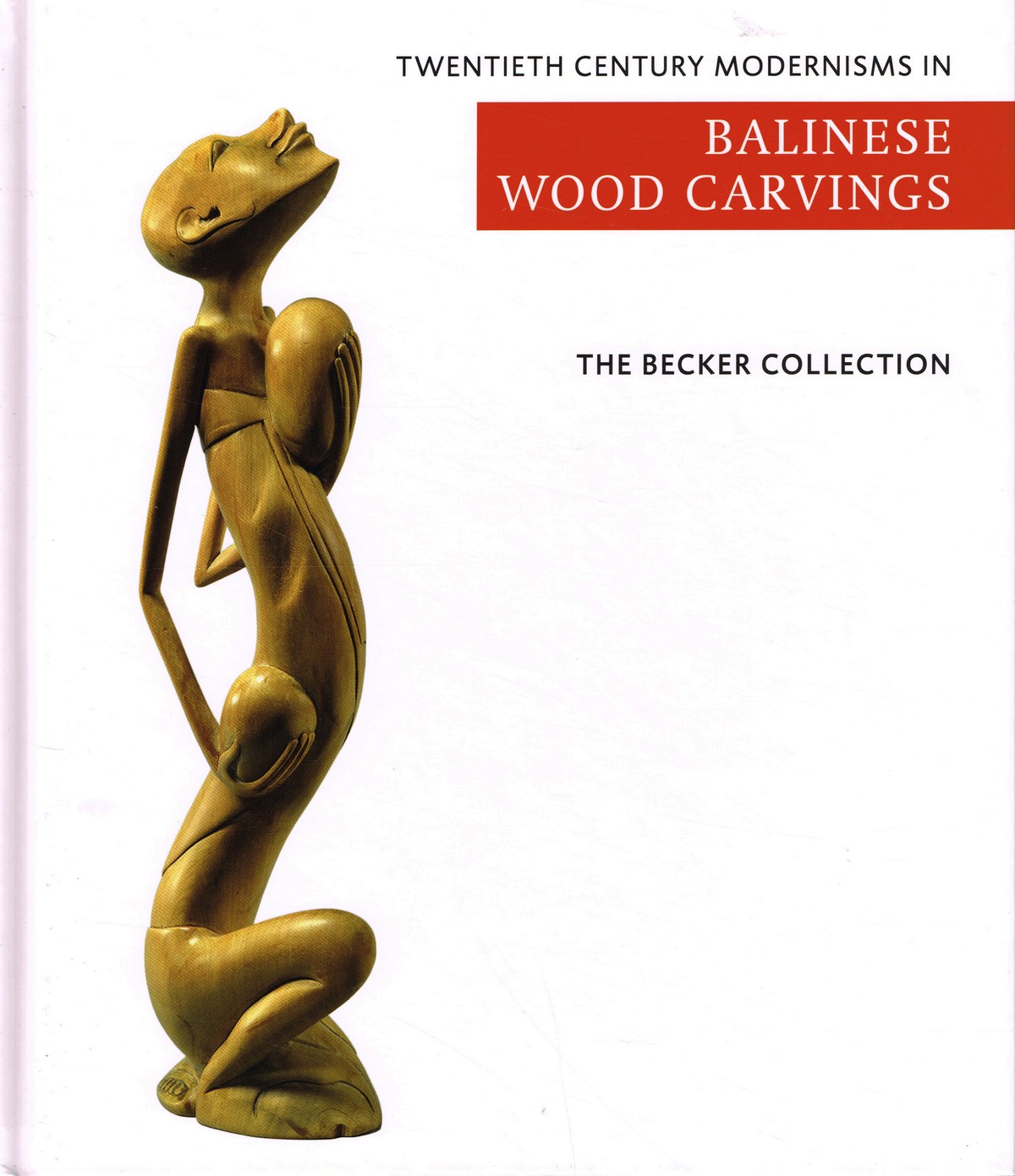
Ton & Mies Becker
Twentieth Century Modernisms in Balinese Wood Carvings
'The Becker Collection - Twentieth century modernisms in Balinese wood carving' contains the private collection of twentieth century ?modern style? Balinese wood carvings, collected by Ton and Mies Becker, both retired medical specialists and collectors of Asian art. Between the 8th and 10th century Hindu influences spread to Bali and blended into the exiting Balinese mix of animistic and Buddhist styles and subjects, known as Bali Aga. Hence, in due time the craftsmen obtained the subjects for their works from the Hindu-Balinese religion and their heroes and demons from famous Hindu epics. This particular style became known in the Western art world as the ?Traditional or Old Balinese style?. In the 20th century the arts and crafts scene in Bali changed completely. First because of Western artist who visited Bali and stayed on to work there and, second, because of the gradual influx of increasing numbers of foreign tourists. In addition the Dutch colonial government started a military campaign to control the powerful kingdoms of central and southern Bali. As a result the local craftsmen lost their royal support and soon realized that foreign tourists were not particularly interested in gods and heroes. Hence, stimulated by some of the Western artists who had settled in Bali, they turned to secular subjects taken from nature and everyday life and became more impressionistic in the execution. This led to a range of new styles, often impressionistic and sometimes even minimalistic and caricatural with bizarre elongated shapes or solid compact forms. In this book we are concerned with this particular type of 20th century ?Modern Style? Balinese wood carving. The catalogue contains 40 objects of ?modern style? wood carving, representing different styles. Each object is photographed, both as an overview and in details if so requested. A brief description of each object is provided, together with the estimated date, and additional information is provided if considered useful. The catalogue is preceded by an essay on the history of Balinese wood carving.kunst
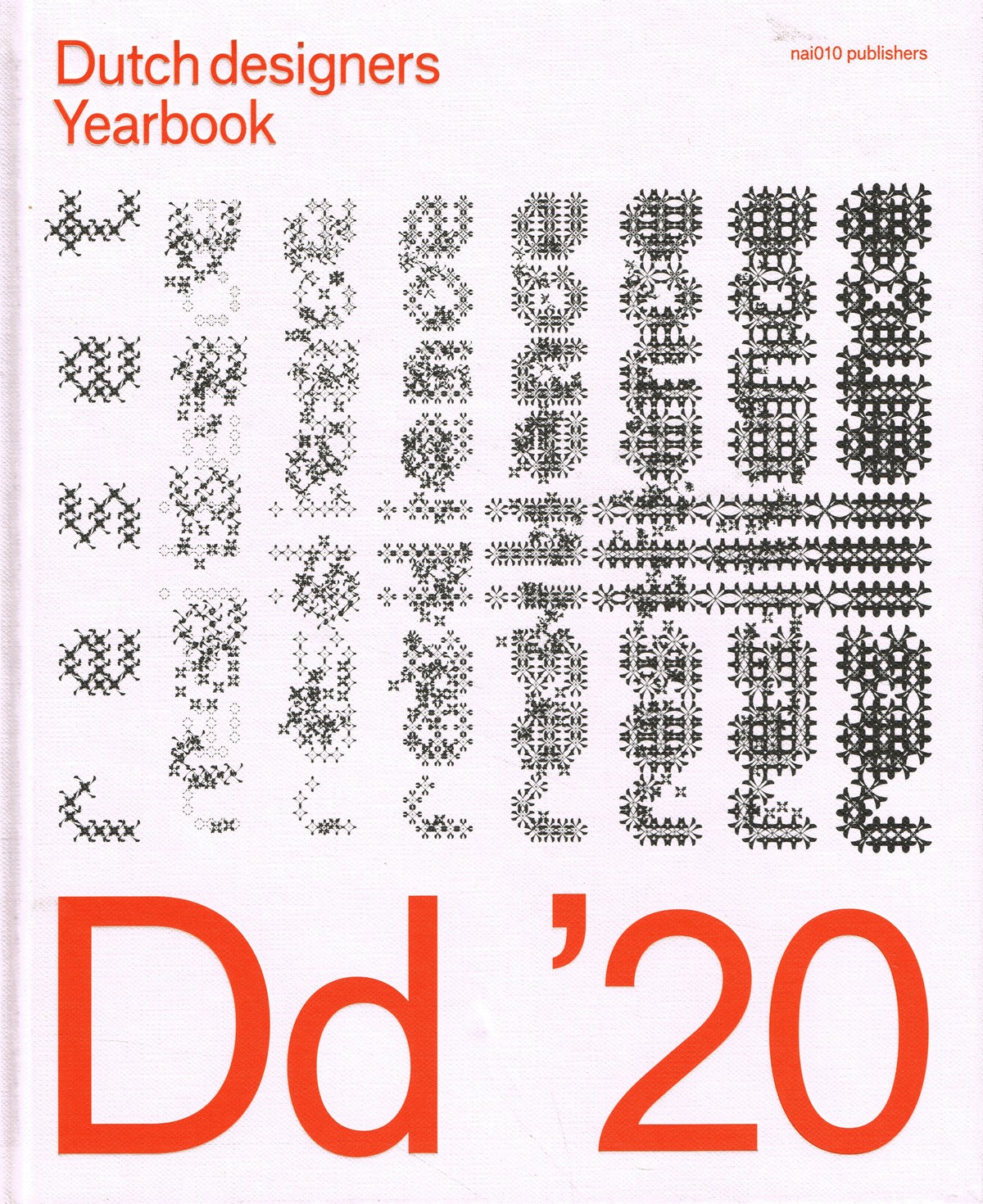
Freek Kroesbergen (red./ed.)
Dutch Designers Yearbook 2020
For English see below- Dutch designers staan wereldwijd bekend om hun originaliteit en gedurfde innovaties, en hun werk dringt door tot in de haarvaten van onze maatschappij. Design is overal en de wereld lijkt maakbaar. Daaraan dragen ontwerpers bij, met hun onorthodoxe methoden en creatieve kracht. Al treft de coronacrisis de creatieve sector ingrijpend, de grote maatschappelijke en economische uitdagingen waar de wereld voor staat bieden ook veel kansen. Over hoeveel veerkracht beschikt de ontwerpsector, en hoe draagt ze bij aan de noodzakelijke transities? 'Dutch designers Yearbook' beschrijft het designjaar 2020 en kijkt vooruit. Het boek geeft een openhartige inkijk in wat designers nu denken en maken: via essays en interviews, opvallend eindexamenwerk van Nederlandse ontwerpopleidingen, prijswinnend werk en portretten van beeldbepalende designhelden als Simon Dogger, Christien Meindertsma, Taco Carlier, Harald Dunnink en Bas Timmer. -Dutch designers are known worldwide for their originality and daring innovations, and their work penetrates the very fabric of our society. Design is everywhere and the world seems makeable. Designers contribute to this with their unorthodox methods and creative power. Although the corona crisis is having a major impact on the creative sector, the major social and economic challenges facing the world also offer many opportunities. How much resilience does the design sector have, and how does it contribute to the necessary transitions? 'Dutch designers Yearbook' describes the design year 2020 and looks ahead. The book provides a candid insight into what designers are thinking and creating now: through essays and interviews, striking final exam work from Dutch design schools, prize-winning work and portraits of iconic design heroes such as Simon Dogger, Christien Meindertsma, Taco Carlier, Harald Dunnink and Bas Timmer.kunst