Terug/Home/Webwinkel ramsj.nl /Kunst/Architectuur/Cornelis van Eesteren
Sandra Guarda
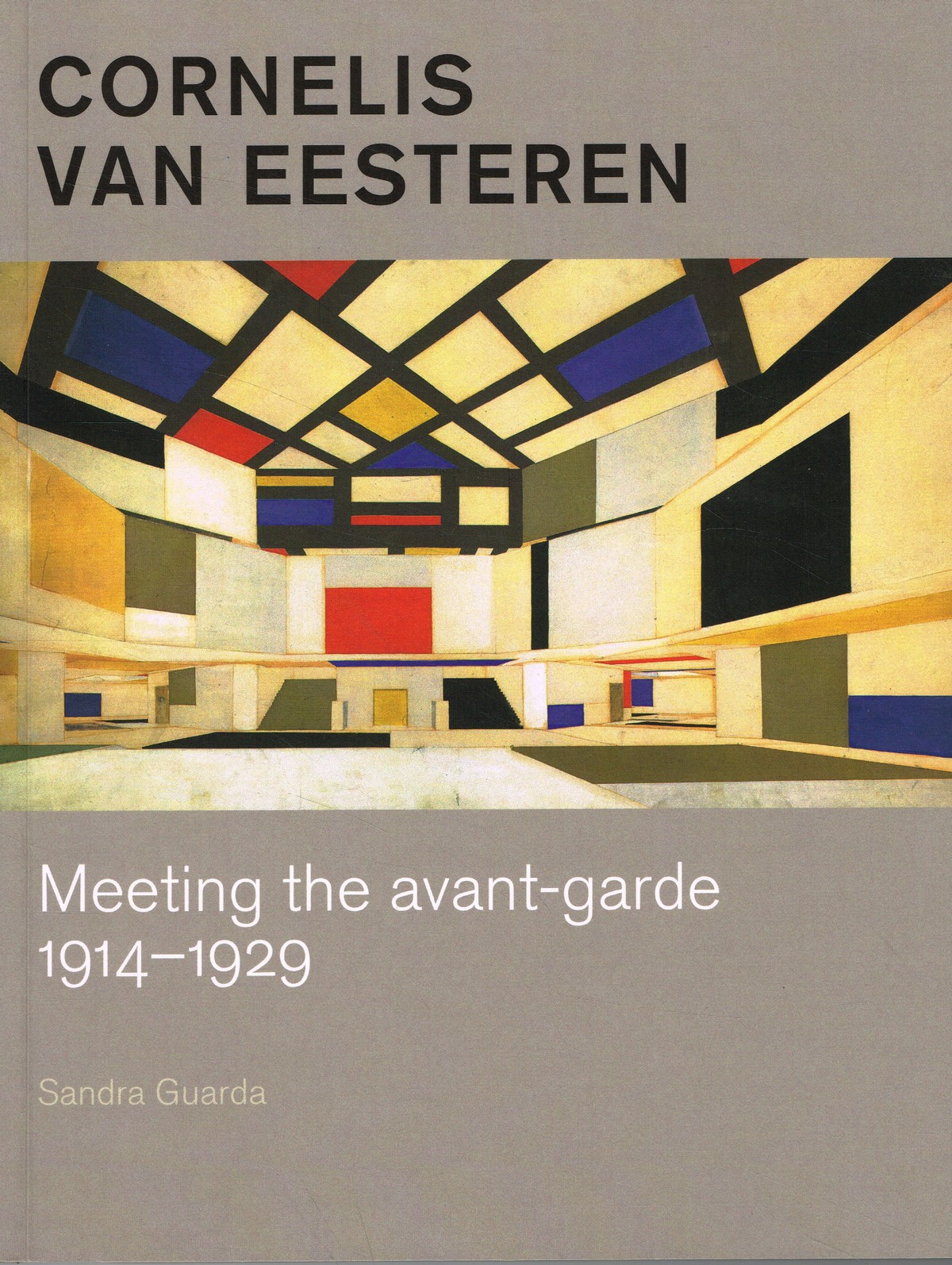
Cornelis van Eesteren
Meeting the Avant-garde 1914-1929
Oorspronkelijke prijs was: € 15,00.€ 7,90Huidige prijs is: € 7,90.
The celebrated Dutch architect and urban planner Cornelis van Eesteren is most famous for his work on the Amsterdam General Extension Plan (AUP), dating from 1934 and implemented after the Second World War, and for his role as the chairman of the International Congress for Modern Architecture (CIAM) from 1930 to 1947. He was a pioneer, and a highly influential figure of modernist urbanism. During his less known ‘coming-of-age’ years in the 1920s, an exceptionally exciting period in the cultural history of the 20th century, the curious and talented young man was in the right place at the right time. He visited the Bauhaus in Weimar, where he met Walter Gropius, El Lissitzky and Theo van Doesburg, among many others; he spent a week in Vienna with Adolf Loos; he joined De Stijl and collaborated with Theo van Doesburg and Gerrit Rietveld in the now legendary De Stijl exhibition in Paris in the fall of 1923. This chronological account of the events of his youth follows Van Eesteren closely, supported by diary entries and personal letters, and through his encounters, friendships and fallouts the artistic Zeitgeist of the 1920s becomes enjoyably tangible.
Gerelateerde producten
kunst
Jacques Prins
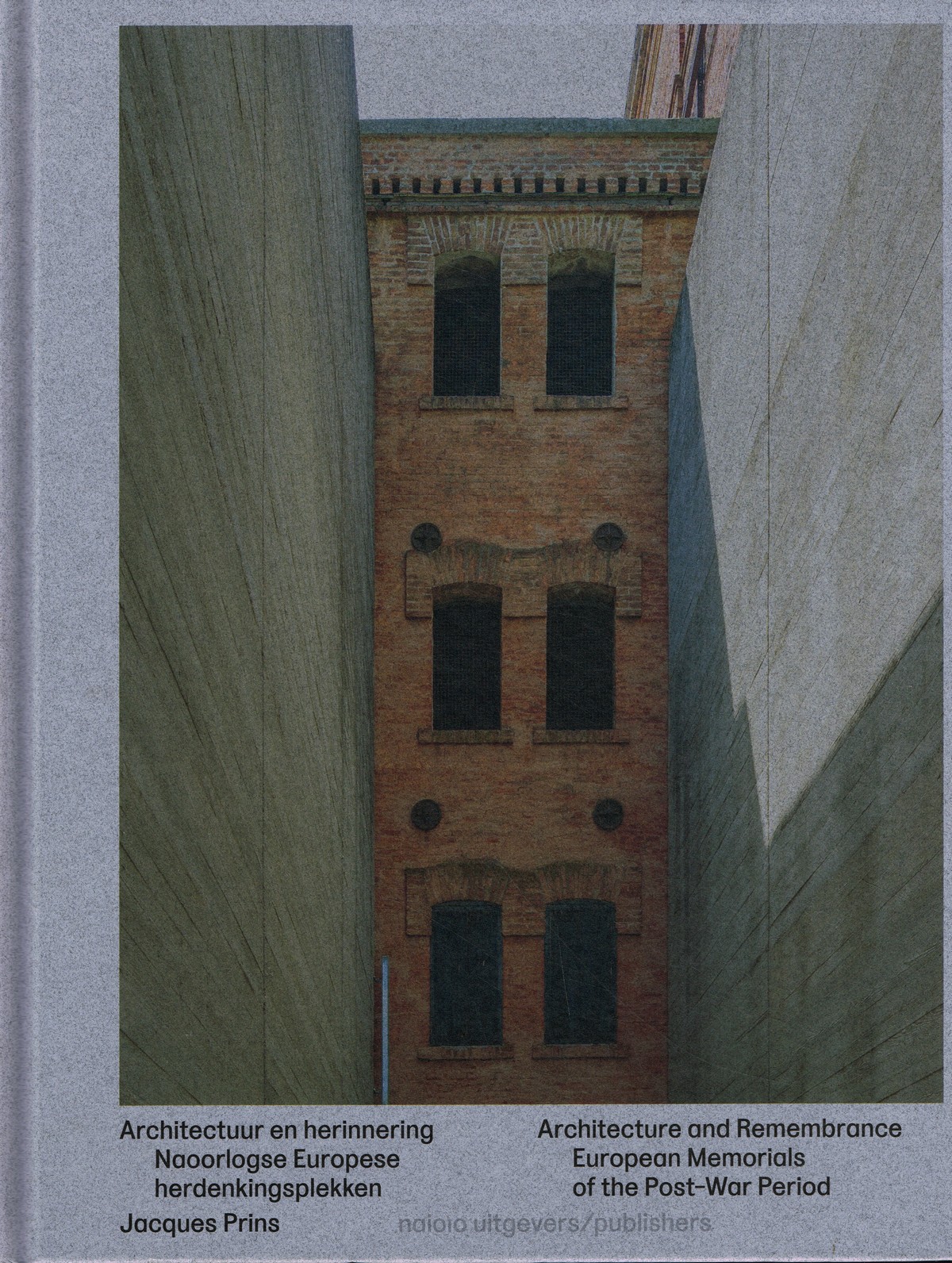
Architectuur en herinnering / Architecture and Remembrance
For Dutch see below - English - 2020 is the 75th anniversary of the end of the Second World War. In Architecture and Memory, architect Jacques Prins focuses on commemorative sites. He brings together 40 of these sites, from across Europe and from the post-war period, and documents them in texts, drawings and photographs. His aim is to convey the feeling of oppression and detachment to the visitor, without creating a reconstruction, to really allow them to identify with the past. For easy comparison, Architecture and Memory includes several drawings of each site: of the situation they were in during the Second World War and of the situation they are in today. Together these create an image of the design strategies that different designers have employed over the course of time. Professor dr. Rob van der Laarse is Professor Heritage of the War at CLUE (Cultural Landscape and Urban Environment), the interdisciplinary research institute for heritage and history at the VU. Jacques Prins is architect and partner at Inbo and responsible for the new building of Nationaal Monument Kamp Amersfoort. Max Meijer is heritage advisor at TiMe Amsterdam. - Dutch - In het jaar waarin we 75 jaar bevrijding herdenken staat architect Jacques Prins ook stil bij plaatsen van herinnering. In dit boek brengt hij 40 van deze plekken, verspreid over Europa en uit de naoorlogse periode samen, gedocumenteerd in tekst, tekeningen en foto's. Bij al deze plekken is het doel steeds zonder te reconstrueren toch het gevoel van beklemming en onthechting op de bezoeker over te brengen, zodat deze zich goed met het verleden kan identificeren. Architectuur en herinnering toont van elke plek tekeningen van de situatie tijdens de tweede wereldoorlog en nu, zodat die goed met elkaar vergeleken kunnen worden. Op die manier ontstaat een beeld van de ontwerpstrategie die de verschillende ontwerpers in de loop van de tijd hebben ingezet. Professor dr. Rob van der Laarse is hoogleraar Erfgoed van de oorlog bij CLUE, (Cultural Landscape and Urban Environment), het interdisciplinaire onderzoeksinstituut voor erfgoed en geschiedenis van de VU. Jacques Prins is architect en partner bij Inbo en verantwoordleijk voor de nieuwbouw van herinneringscentrum voor het Nationaal Monument Kamp Amersfoort. Max Meijer is erfgoedadiseur bij TiMe Amsterdam.kunst
Power & Other Things
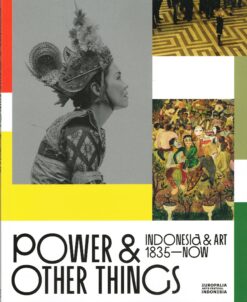
The project takes its name from the demand for the transfer of power and other things to the newly independent Indonesia in 1945. It travels through time, from European colonial occupation through the development of the republican state to the trans-national contemporary cultures of today. It looks at the various international exchanges that happened in the territories of contemporary Indonesia, through the images and ideas of artists. These exchanges were of different kinds: trade, culture, religion, ideology and war. They produced a variety of results: violence, oppression, racism, creativity, spiritual awakening, and other things. The ideologies and challenges of modernity are common ways in which Indonesia has been depicted by others and has defined itself over the period. As this modern period recedes into history, the project will seek ways to remember how it has influenced contemporary understanding and ask the current generation of artists to look back in order to rewrite the past and potentially create the conditions for a different future. The catalogue and the exhibition will follow a broad chronological narrative, allowing readers and visitors to learn more about how this huge archipelago has changed over the past two centuries and to observe how it has responded and adapted to influences originating from both inside and outside the islands. The influence of the imperial Dutch and Japanese occupations naturally form a significant element in the narrative of the exhibition as does the constant struggle for different forms of independence or equal treatment by the Javanese and other Indonesian cultures. The importance of Chinese and Arab influence on Indonesia's cultural history will also feature as the exhibition tries to look for alternative ways, alongside the post-colonial, for understanding the present. The presentations will include work made during the residencies as well as new commissions.kunst
Ton & Mies Becker
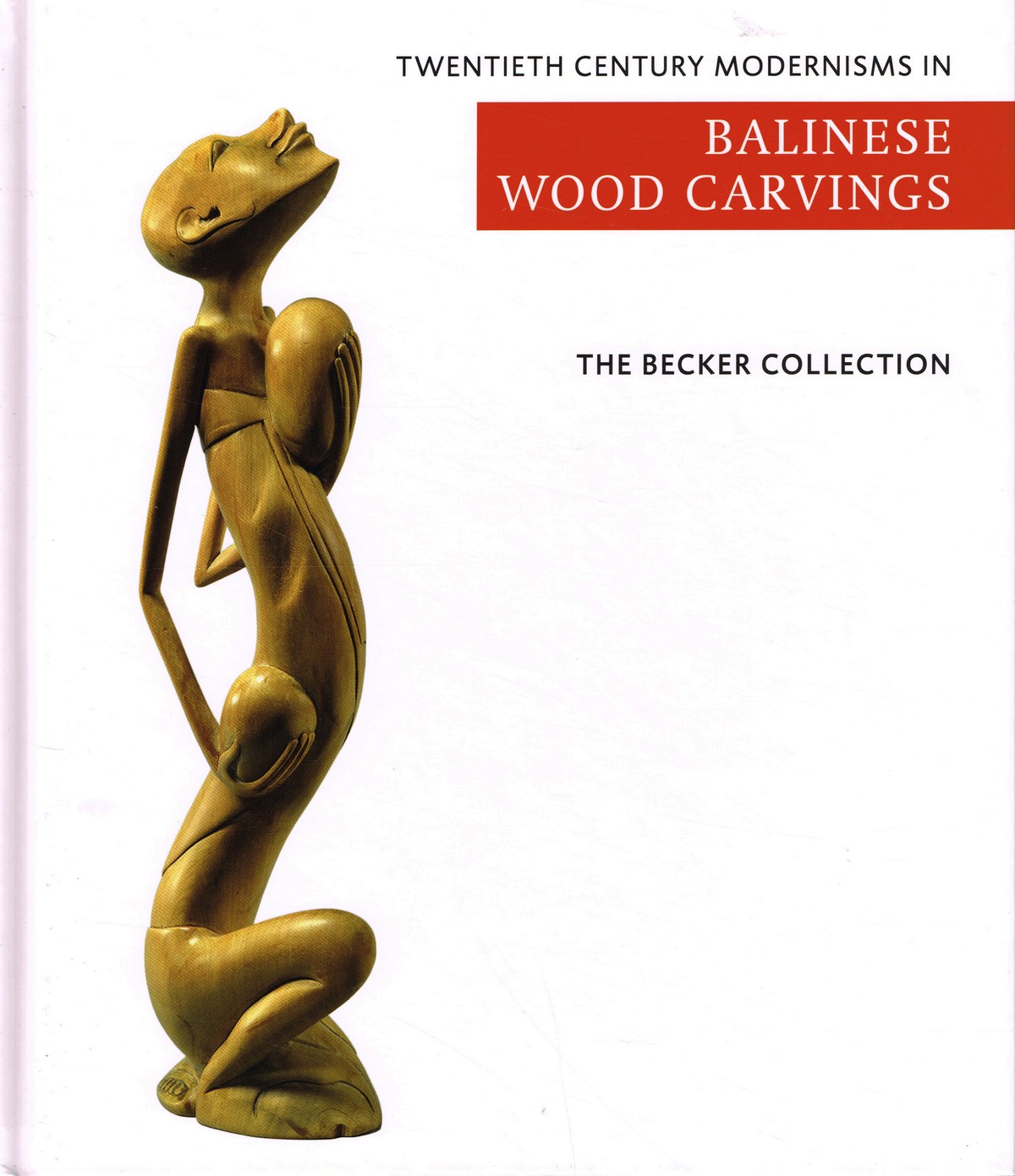
Twentieth Century Modernisms in Balinese Wood Carvings
'The Becker Collection - Twentieth century modernisms in Balinese wood carving' contains the private collection of twentieth century ?modern style? Balinese wood carvings, collected by Ton and Mies Becker, both retired medical specialists and collectors of Asian art. Between the 8th and 10th century Hindu influences spread to Bali and blended into the exiting Balinese mix of animistic and Buddhist styles and subjects, known as Bali Aga. Hence, in due time the craftsmen obtained the subjects for their works from the Hindu-Balinese religion and their heroes and demons from famous Hindu epics. This particular style became known in the Western art world as the ?Traditional or Old Balinese style?. In the 20th century the arts and crafts scene in Bali changed completely. First because of Western artist who visited Bali and stayed on to work there and, second, because of the gradual influx of increasing numbers of foreign tourists. In addition the Dutch colonial government started a military campaign to control the powerful kingdoms of central and southern Bali. As a result the local craftsmen lost their royal support and soon realized that foreign tourists were not particularly interested in gods and heroes. Hence, stimulated by some of the Western artists who had settled in Bali, they turned to secular subjects taken from nature and everyday life and became more impressionistic in the execution. This led to a range of new styles, often impressionistic and sometimes even minimalistic and caricatural with bizarre elongated shapes or solid compact forms. In this book we are concerned with this particular type of 20th century ?Modern Style? Balinese wood carving. The catalogue contains 40 objects of ?modern style? wood carving, representing different styles. Each object is photographed, both as an overview and in details if so requested. A brief description of each object is provided, together with the estimated date, and additional information is provided if considered useful. The catalogue is preceded by an essay on the history of Balinese wood carving.kunst