Terug/Home/Webwinkel ramsj.nl /Non-Fictie/Cinematic Rotterdam
Floris Paalman
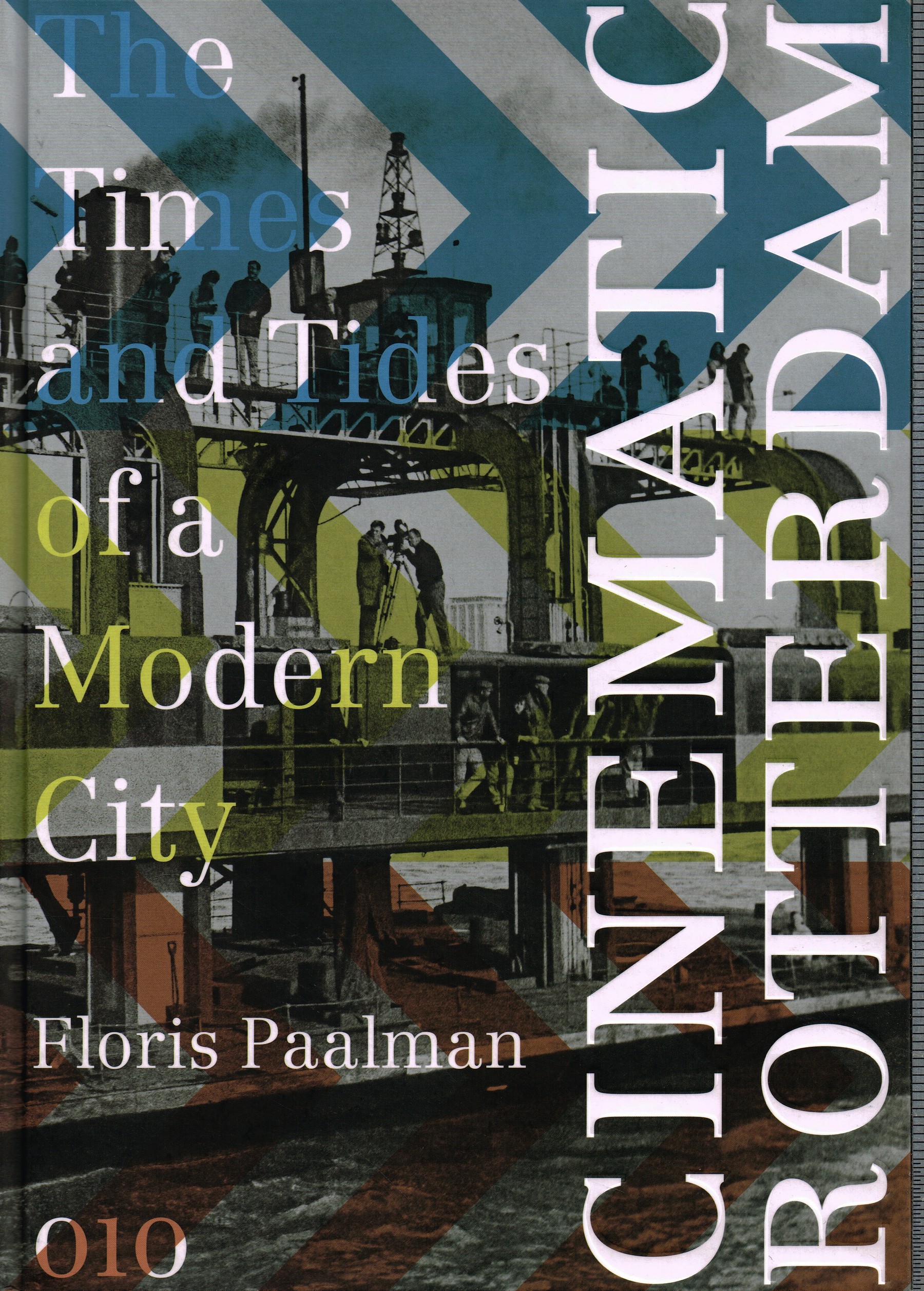
Cinematic Rotterdam
The Times & Tides of a Modern City
Oorspronkelijke prijs was: € 39,95.€ 12,50Huidige prijs is: € 12,50.
This publication zooms in on the part cinema has played in urban development between 1920 and 1980. Rotterdam acts as an inspiring example, as observed from an international perspective. This city has its very own history in film. Besides providing the backdrop for a variety of feature films and avant-garde classics, Cinematic Rotterdam describes how the city has established and maintained its identity through thousands of promotional and educational films and television programmes.
Gerelateerde producten
kinder- & jeugdboeken
Coen Bouwstra
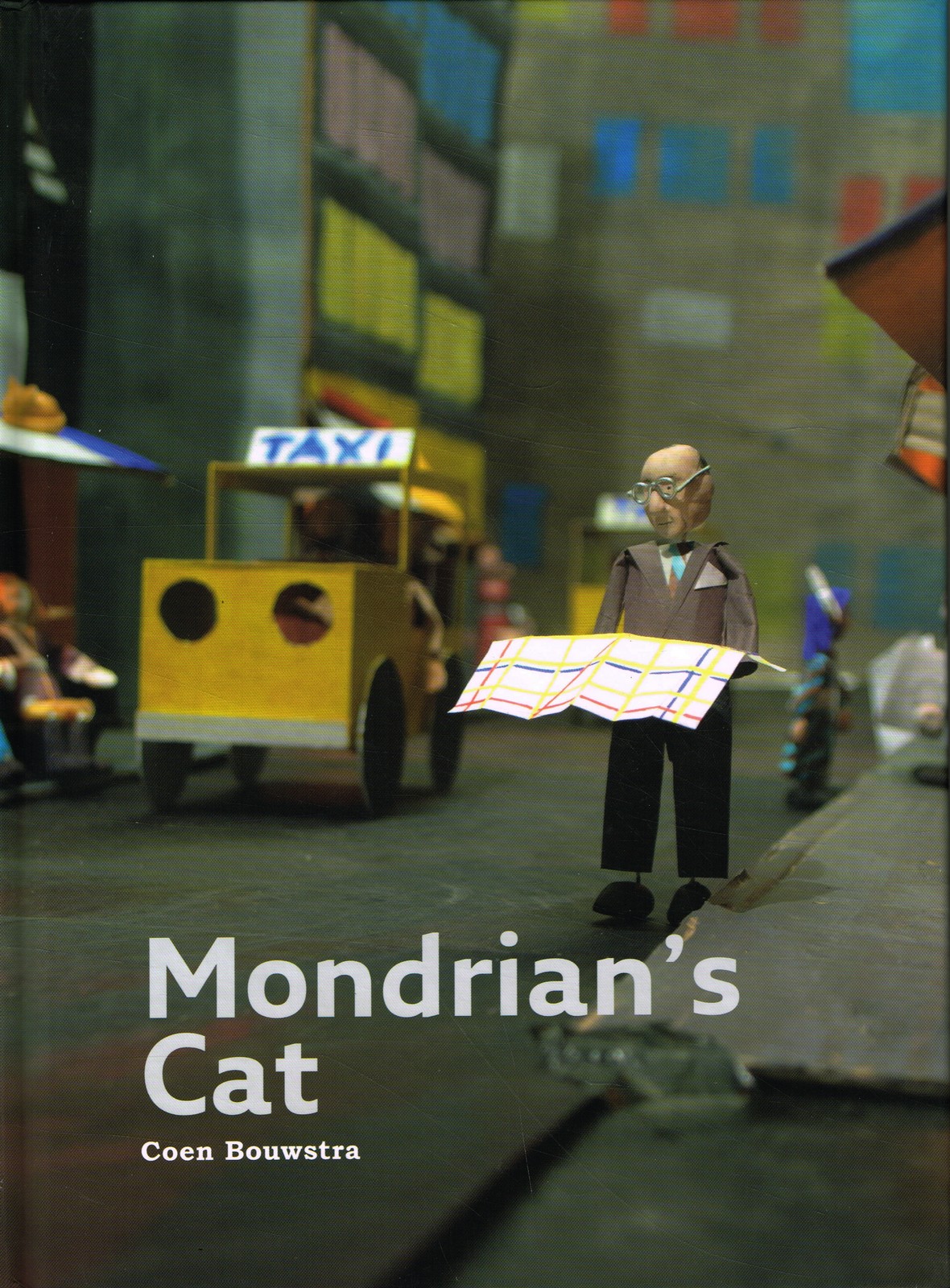
Mondrian’s cat
A timeless reading and reading book for young and old about the life and work of artist Piet Mondriaan, in honor of his 150th year of birth. In Mondriaan's Cat you get to know the famous painter Piet Mondriaan. He is best known for his paintings with black lines and red, blue and yellow areas. But he painted more. In this book he and his cat take you through his development as a painter who started in the Netherlands. He then went to Paris and in his last years he lived in New York. Mondrian was fascinated by colors and lines and developed into one of the greatest painters of abstract art. Everyone knows Piet Mondriaan, but his work is difficult to understand. That is why it is all the more admirable that Coen Bouwstra, author and illustrator, succeeds in making the painter's work accessible to the very youngest. In beautiful scenes he shows what moved Mondriaan. Mondriaan paid attention to color and the patterns in the landscape. He moved further and further towards the abstract, culminating in his Victory Boogie Woogie, inspired by Boogiewoogie music.kunst
Wilma van Giersbergen
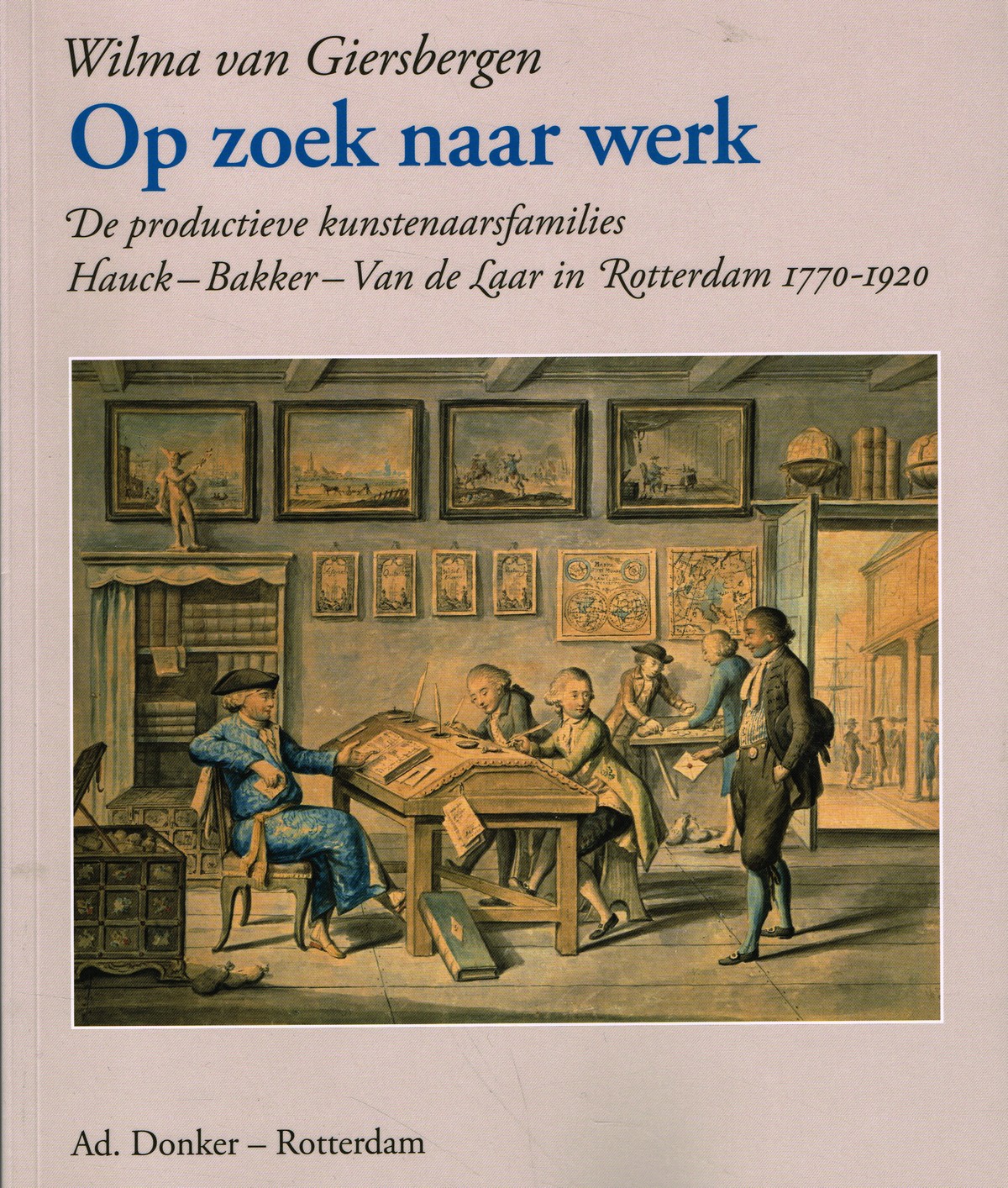
Op zoek naar werk
'Op zoek naar werk, De productieve kunstenaarsfamilies Hauck ? Bakker - Van de Laar in Rotterdam 1770-1920'. Van auteur Wilma van Giersbergen. Begin december 1776 arriveert August Christian Hauck (1742-1801) met zijn vrouw en twee kinderen in Rotterdam. Hij wil er als portretschilder aan de slag, Hauck, die in Mannheim werd geboren, stamt uit een kunstenaarsfamilie. Net zoals zijn vader en zijn (half)broers op zoek moesten naar opdrachten en daarvoor vele reizen zouden ondernemen, zo vindt ook Hauck pas na omzwervingen door de Republiek zijn definiteive bestemming in Rotterdam. August C. Hauck wordt de stamvader van vier generaties Rotterdamse kunstschilders. In 1784 neemt hij een jongeman uit Goedereede, Cornelis Bakker (1771-1849), als leerling bij hem in huis. Cornelis Bakker trouwt in 1795 met Susanna Eva Hauck (1773-1842), het enige kind van zijn leermeester. Twee van hun kinderen, Job Augustus (1796-1876) en Aren Bakker (1806-1843), worden eveneens kunstenaar. Ook raakt de familie Bakker door een huwelijk verwant aan de Rotterdamse kunstenaarsfamilie Van de Laar, van wie de historieschilder Jan Hendrik van de Laar (1807-19874) de bekendste zal worden. Leven van alleen de schilderkunst gaat moeizaam, zodat de kunstenaars generatie op generatie op zoek moeten naar andere bronnen van inkomsten. Honderd jaar lang spelen zij in Rotterdam als tekenleraar een grote rol in het onderwijs bij het tekengenootschap 'Hierdoor tot Hooger' en de Academie van Beeldende Kunsten en Technische Wetenschappen. Daarnaast verdienen verschillenden van hen hun boterham in de decoratie- en interieurschilderkunst. Het is de tragiek van een kunstenaarsfamilie die, opgeleid tot kunstschilder, door velerlei omstandigheden gedwongen wordt haar ambities bij te stellen. In 'Opzoek naar werk' worden zes generaties kunstschilders gevolgd te beginnen met Haucks vader, Johann Jacob Hauck(1694-ca.1769), kerk- en hofschilder in Duitsland. De schilderdynastie eindigt als de decorschilder Frans Bakker (1871-1944) in 1920 Rotterdam verlaat en in Nederlands-Indië gaat wonen.kunst
Ad Petersen
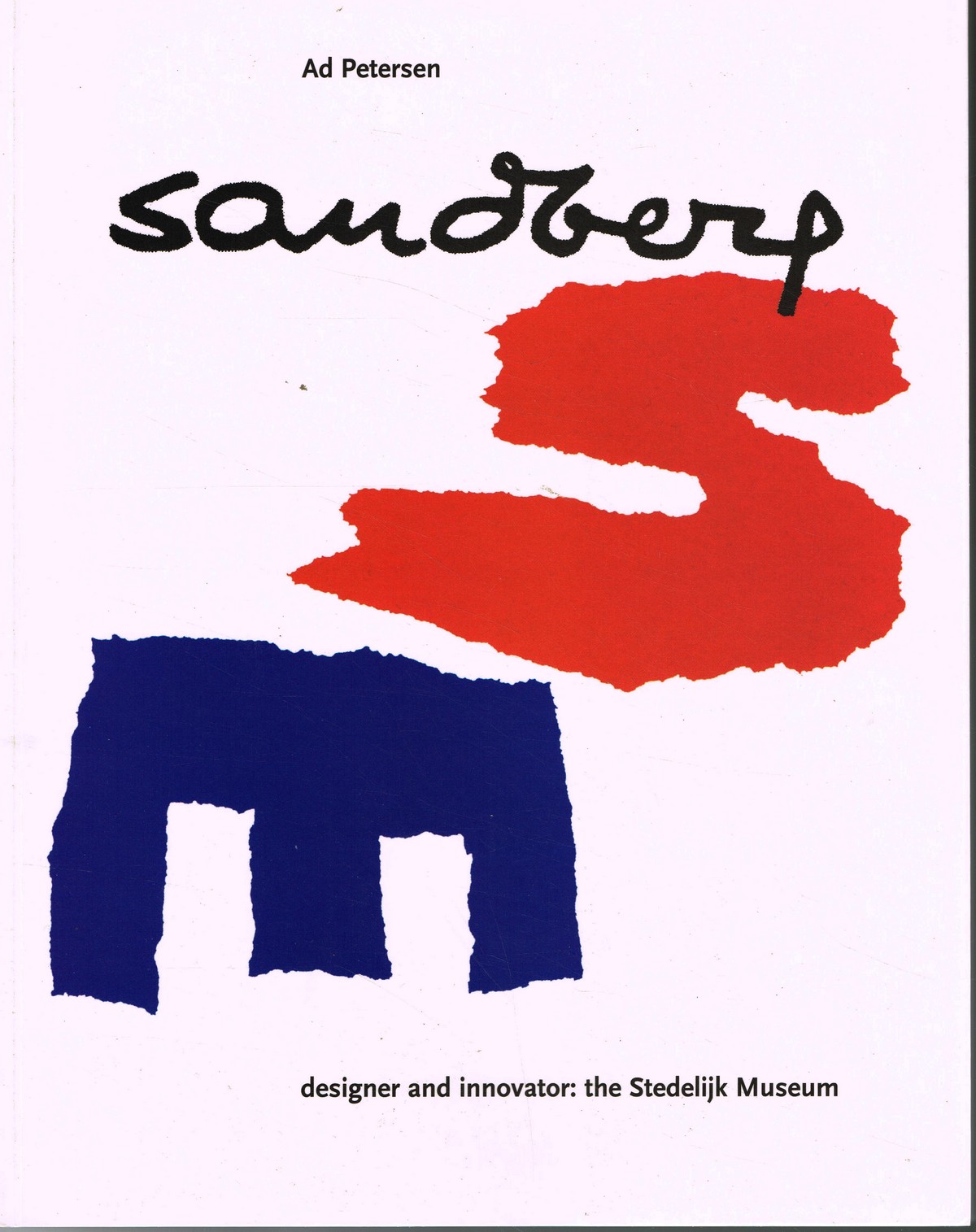
Sandberg
Willem Sandberg was a gifted designer and a pragmatic museum director, a doer who achieved an incredible amount in the art world after 1945 and opened many people's eyes to contemporary art. He was an idealist who cherished the utopian belief that contemporary art could play a self-evident and meaningful role in society outside of its usual marginal and elitist position. At the same time, he was enough of a realist not to harbour excessively high expectations of the result of his efforts. His belief in the power of art, however, was unwavering. In his work as a director and designer, it was Sandberg's mission to be powerful, positive, and future-oriented. His typography, to which the lion's share of this book is devoted, is tangible evidence of this vocation. This is how author Ad Petersen began his foreword to the French edition of this book. He knew Sandberg well. In the final years of Sandberg's directorate, Petersen became one of his closest collaborators. Thereafter, from 1963 until Sandberg's death in 1984, they kept in touch on a more personal basis. His familiarity with the subject culminated in the book Sandberg, een documentaire / a documentary, which he published in 1975 together with Pieter Brattinga and in collaboration with Sandberg. The original book owes its existence to the initiative of the then 50-year-old Institut Néerlandais in collaboration with publisher Xavier Barral. And, of course, to Ad Petersen and his expert storytelling, based on countless conversations, on joint travels, on their collaboration at the Stedelijk, on mutual sympathy, and on his observations of the exceptional personality that Sandberg was. This book was published by Samsara Books in collaboration with the Ambassade Group in Amsterdam. Many thanks are due to designer Adri Colpaart, who also played an indispensable role in the creation of the book.geschiedenis