
Francesca Pola (red.)
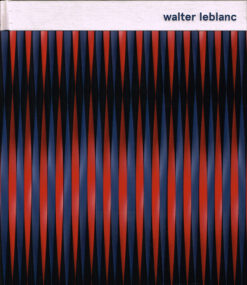
Walter Leblanc
Oorspronkelijke prijs was: € 50,00.€ 19,90Huidige prijs is: € 19,90.
Little is known about Walter Leblanc, one of the key representatives of kinetic and optical art in the mid-twentieth century. ‘Walter Leblanc’ includes significant unpublished materials, which provide insight not only into the art of Leblanc, but also into the extraordinary and creative ZERO artist movement he was connected to and in close dialogue with starting in the 1950s.
Gerelateerde producten
kunst
Ton & Mies Becker
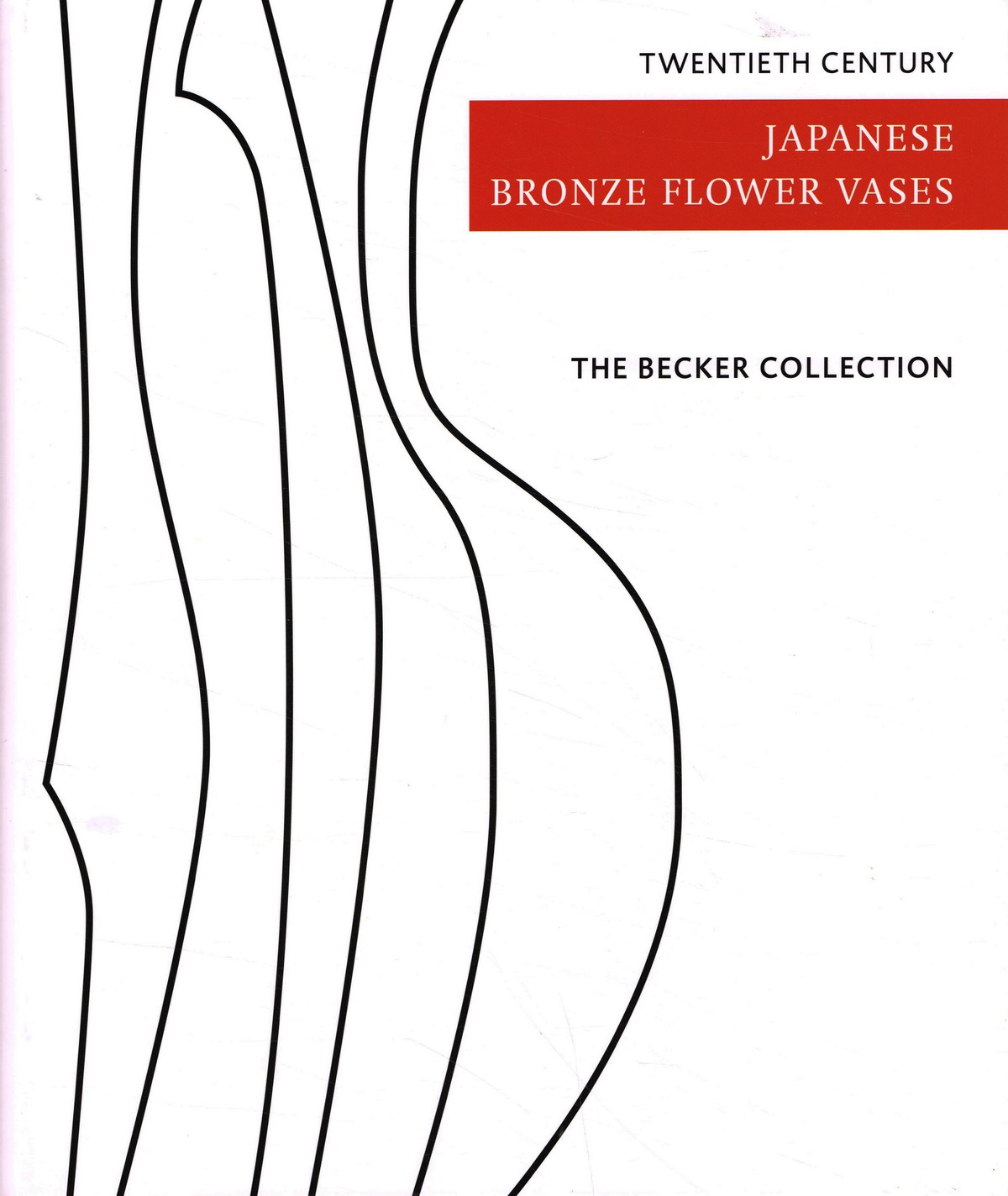
Twentieth Century Japanese Bronze Flower Vases
'The Becker Collection - Twentieth century Japanese bronze flower vases' contains the private collection of twentieth century bronze flower vases compiled by Ton and Mies Becker, both retired medical specialists van collectors of Asian art. With the introduction of Buddhism in Japan in the sixth century, bronze containers for flowers to be placed on the altar became important religious objects. In the fifteenth century the Buddhist monk Senno Ikenobô founded the art of flower arranging, which started what nowadays is known as ikebana, the traditional Japanes way of floral art. Presently only the Ikenobô ikebana school still uses bronze flower vases, while all other ikebana schools use other materials like ceramics and bamboo. Following the Meije restauration (1868-1912) the Japanese art world was confronted with Western art styles, in particular the Art Deco movement. The twentieth century flower vases in this collection show a variety in shape and style, in part based on traditional Buddhist temple style vases and in part on the streamlined and geometrical style of the Art Deco movement, albeit often with a distinct 'Japanese touch'. A few introductory essays provide some background information about 'bronzes in Japanese culture', 'the patination of flower bronzes' and 'the tomobako (storage box)'. The catalogue of the vases is arranged according to the bronze worker and presented in alphabetical order in the traditional Japanese way, i.e. the family name first, followed by the given name. All vases are shown together with their tomobako -if available- and with their signature or seal. Brief biographical data are included once available.kunst
Ton & Mies Becker
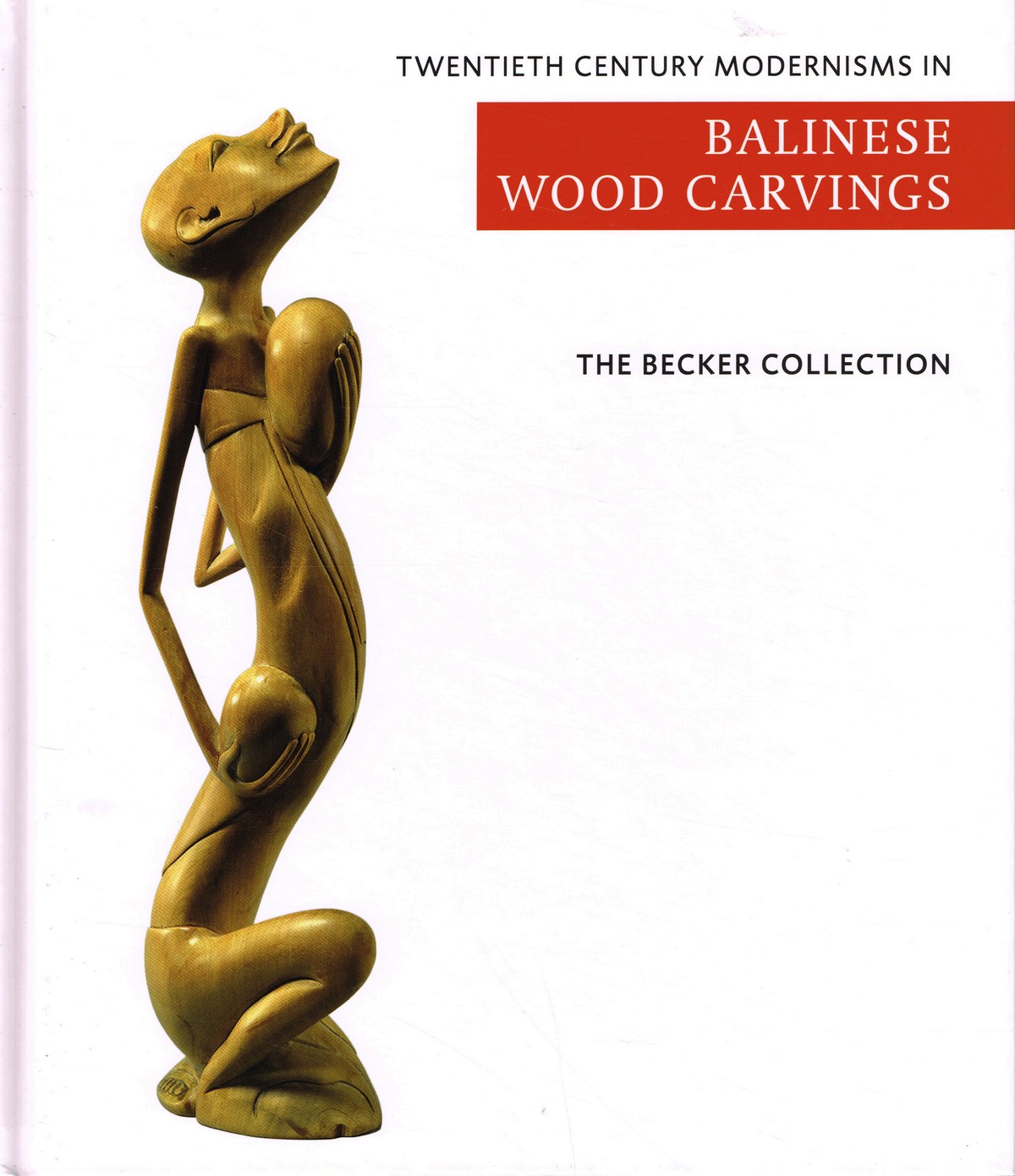
Twentieth Century Modernisms in Balinese Wood Carvings
'The Becker Collection - Twentieth century modernisms in Balinese wood carving' contains the private collection of twentieth century ?modern style? Balinese wood carvings, collected by Ton and Mies Becker, both retired medical specialists and collectors of Asian art. Between the 8th and 10th century Hindu influences spread to Bali and blended into the exiting Balinese mix of animistic and Buddhist styles and subjects, known as Bali Aga. Hence, in due time the craftsmen obtained the subjects for their works from the Hindu-Balinese religion and their heroes and demons from famous Hindu epics. This particular style became known in the Western art world as the ?Traditional or Old Balinese style?. In the 20th century the arts and crafts scene in Bali changed completely. First because of Western artist who visited Bali and stayed on to work there and, second, because of the gradual influx of increasing numbers of foreign tourists. In addition the Dutch colonial government started a military campaign to control the powerful kingdoms of central and southern Bali. As a result the local craftsmen lost their royal support and soon realized that foreign tourists were not particularly interested in gods and heroes. Hence, stimulated by some of the Western artists who had settled in Bali, they turned to secular subjects taken from nature and everyday life and became more impressionistic in the execution. This led to a range of new styles, often impressionistic and sometimes even minimalistic and caricatural with bizarre elongated shapes or solid compact forms. In this book we are concerned with this particular type of 20th century ?Modern Style? Balinese wood carving. The catalogue contains 40 objects of ?modern style? wood carving, representing different styles. Each object is photographed, both as an overview and in details if so requested. A brief description of each object is provided, together with the estimated date, and additional information is provided if considered useful. The catalogue is preceded by an essay on the history of Balinese wood carving.kunst

Steven Nadler
The Portraitist
This full-length biography of Frans Hals offers a view into seventeenth-century Haarlem and this culturally rich era of the Dutch Republic. Nadler tells the story not only of Hals's life, but also of the artistic, social, political, and religious worlds in which he lived and worked. Frans Hals was one of the greatest portrait painters in history, and his style transformed ideas and expectations about what portraiture can do and what a painting should look like. Hals was a member of the great trifecta of Dutch Baroque painters alongside Rembrandt and Vermeer, and he was the portraitist of choice for entrepreneurs, merchants, professionals, theologians, intellectuals, militiamen, and even his fellow artists in the Dutch Golden Age. His works, with their visible brush strokes and bold execution, lacked the fine detail and smooth finish common among his peers, and some dismissed his works as sloppy and unfinished. But for others, they were fresh and exciting, filled with a sense of the sitter's animated presence captured with energy and immediacy.kunst